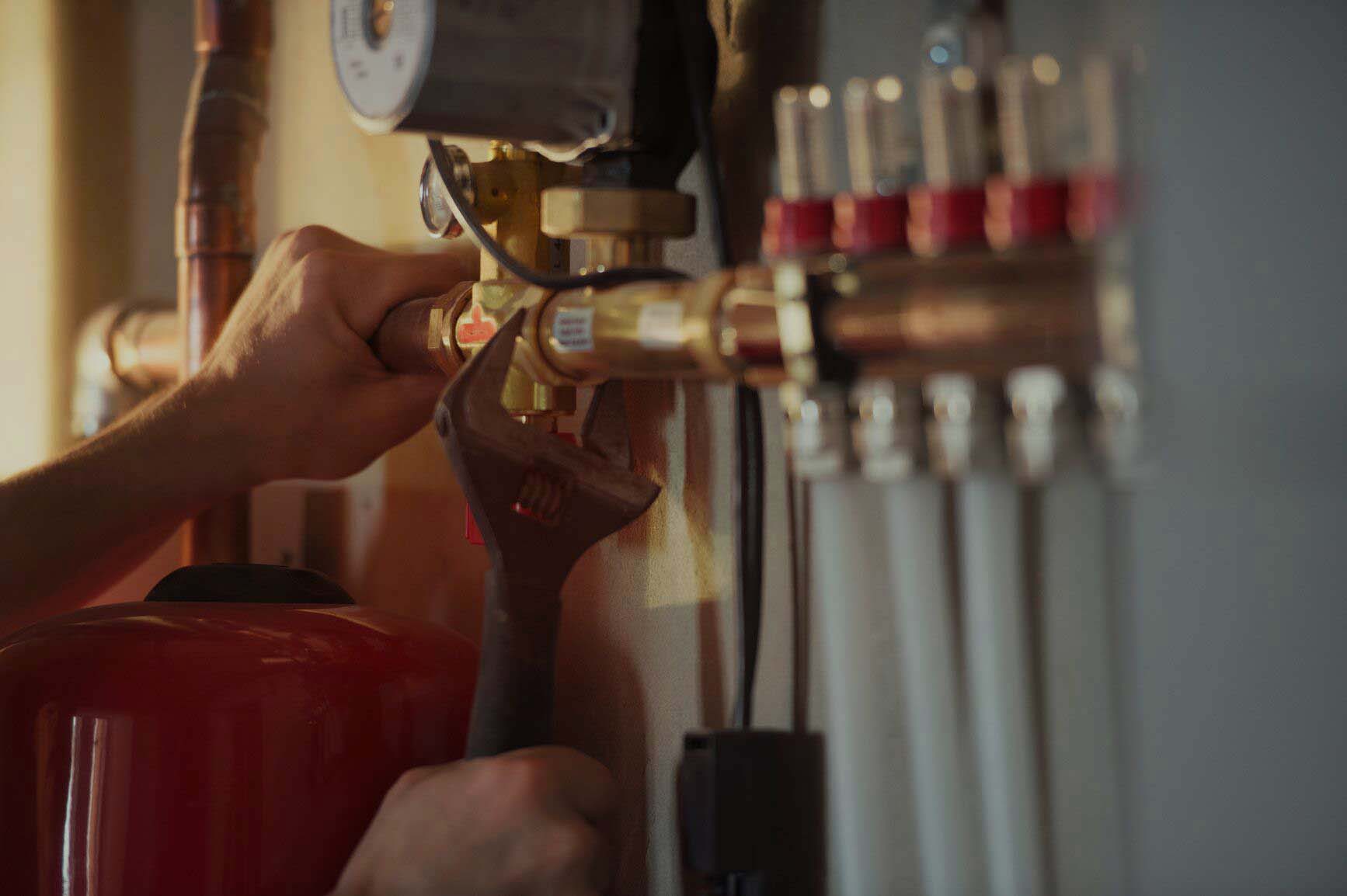
Plumbing problems often sneak up when you least expect them. A slow drip becomes a flood. A sluggish drain turns into a full blockage. The good news? Most of these emergencies are entirely preventable.
For homeowners managing plumbing in Asheville, NC, that means accounting for more than just the usual wear and tear. The region’s mountain climate, seasonal freeze-thaw cycles, and local water quality create unique challenges that require local knowledge. Whether you’re bracing for a hard freeze in the Blue Ridge or managing mineral buildup from Western North Carolina’s water supply, proactive care is the smartest investment you can make in your home.
Here are seven practical tips to help you stay ahead of plumbing problems year-round.
Key Takeaway: To prevent plumbing emergencies and keep your pipes running smoothly, regularly inspect for leaks, insulate pipes to protect against freezing, avoid flushing inappropriate items, and perform routine maintenance such as drain cleaning. Additionally, knowing the location of your main water shutoff valve and having a trusted plumber’s contact readily available can help you respond promptly if issues arise.
1. Schedule Regular Plumbing Inspections
Most plumbing damage starts small and invisible. A corroded joint, a slow drip behind a wall, a valve wearing thin. Without regular inspections, these issues go undetected until they become emergencies.
What a professional inspection covers:
- Visible pipes, faucets, and connections checked for moisture or corrosion
- Water pressure assessed to prevent stress on pipes and fixtures
- Drains evaluated for early-stage blockages
- Water heater reviewed for rust, sediment buildup, and safety function
- Pipe insulation in basements, attics, and crawl spaces examined ahead of winter
Industry professionals consistently recommend annual plumbing inspections as one of the most effective ways to catch small problems before they become costly emergencies. Think of it the same way you’d think about a seasonal tune-up for your car. Routine care today prevents far more expensive problems tomorrow.
2. Be Careful About What Goes Down Your Drains
Clogged pipes are among the most common plumbing emergencies, and most are entirely avoidable. A significant portion of sewer line backups trace directly back to improperly flushed materials, most of which are entirely preventable with simple habits.
Never flush or pour down drains:
- Tampons, sanitary pads, or “flushable” wipes (they do not break down quickly)
- Cooking grease or oils (they solidify inside pipe walls as they cool)
- Paper towels or cotton balls (they collect in drain traps and build up over time)
- Medications or harsh chemicals (damaging to pipes and to local waterways)
The fix is straightforward. Dispose of hygiene products in a waste bin. Pour cooled cooking grease into a sealed container for the trash. Take medications to a community collection or hazardous waste program.
Small habits practiced consistently add up to far fewer emergency calls.
3. Monitor Your Water Pressure
High water pressure is one of the quieter threats to your plumbing system. Pressure that’s consistently too high places continuous force on pipes and fixtures, eventually causing leaks, cracks, or burst pipes.
Use a simple pressure gauge at your main shutoff valve to check your levels. The safe range is 40 to 60 PSI. Readings consistently above 80 PSI signal a problem.
If your pressure is running high, a pressure-reducing valve (PRV) is one of the most effective solutions. It regulates pressure automatically, protecting your pipes and reducing unnecessary water consumption at the same time.
Check your pressure monthly or after any significant plumbing repair. Sudden changes often point to clogged lines, corroded pipes, or failing valves that need attention before they worsen.
4. Clean Your Drains Regularly
Drain maintenance doesn’t have to be complicated. A simple routine goes a long way toward preventing the buildup that causes blockages.
Weekly
Pour a kettle of boiling water down key drains. It softens grease and dissolves soap residue before it accumulates. Takes less than five minutes.
Monthly
Combine baking soda and vinegar, pour the mixture down the drain, and let it sit for 15 minutes before flushing with hot water. The fizzing reaction loosens grime and neutralizes odors.
As Needed
For a deeper clean, use enzyme-based drain cleaners. Unlike harsh chemical products, they break down organic matter without damaging pipe material or septic systems. Enzyme-based cleaners work gradually and are far gentler on pipe material and septic systems than chemical alternatives. Used consistently, they are one of the better long-term investments in drain health you can make.
5. Repair Leaks Promptly
A small leak rarely stays small. Water seeping from a damaged pipe or worn fitting gradually degrades surrounding materials and creates conditions for mold growth. The EPA estimates the average household’s leaks waste more than 9,300 gallons of water every year, and fixing them can save homeowners around 10% on their water bills.
When you spot a leak, shut off the water supply to the affected fixture first. That one step stops the damage immediately.
For minor repairs like tightening fittings or replacing washers, a confident DIYer can handle it. But for leaks behind walls or under floors, call a professional. Plumbers use moisture meters and video pipe cameras to locate hidden leaks accurately without guesswork.
If your home has older galvanized steel or iron pipes, consider upgrading to PEX or copper. These materials resist corrosion, handle pressure changes better, and dramatically reduce future maintenance needs.
6. Insulate Your Pipes
Asheville regularly sees temperatures drop into the low 20s between December and February. Pipes that freeze can crack or burst, causing thousands of dollars in water damage.
Start with your most vulnerable areas:
- Unheated basements and crawl spaces
- Garages and attics
- Pipes running along exterior walls
Your insulation options:
- Foam pipe insulation: affordable, flexible, and easy to install yourself
- Fiberglass pipe wrap: better thermal resistance for harsher cold or more exposed pipes
- Electric heating cables: active warmth for the most critical exposed lines
When installing insulation, cut pieces to fit pipe lengths precisely. Wrap snugly, and secure every joint with duct tape. Cover valves and fittings too using foam covers cut to fit.
Two additional habits make a real difference during cold snaps. Let faucets drip slightly to keep water moving inside pipes. Keep your thermostat consistent day and night rather than dropping it significantly overnight.
Quality pipe insulation runs about $0.50 to $2.00 per linear foot. That small investment can prevent an emergency repair bill that runs into the thousands.
7. Know Your Emergency Shutoff Procedures
Many homeowners have never located their main water shutoff valve, and in an emergency, that gap in knowledge can turn a manageable problem into a disaster. In an emergency, that gap in knowledge can turn a manageable problem into a disaster.
What to do now, before anything goes wrong:
- Locate your main shutoff valve (typically near the basement water meter, utility room, or crawl space)
- Label it clearly with a tag or sticker
- Label individual appliance valves for your washing machine, dishwasher, and toilets as well
- Walk every household member through the shutoff process
- Test each valve every six months; replace any that are stiff or leaking
Keep a flashlight and basic tools near the main shutoff in case the power goes out during an emergency. Most valves close by turning clockwise.
Preparation takes 30 minutes. The payoff can be thousands of dollars in damage avoided.
Asheville-Specific Plumbing Considerations
Asheville’s conditions create a few challenges worth knowing about specifically.
Mineral buildup from local water: Buncombe and Henderson County water supplies carry elevated calcium and magnesium levels. Over time, this causes scaling inside pipes, water heaters, and fixtures, reducing flow and shortening equipment lifespan. Installing a whole-home water softener or water filtration system can dramatically reduce scaling and extend the life of your plumbing.
Elevation and freeze risk: Asheville’s mountain elevation means temperatures swing more sharply than surrounding lowland areas. Even short cold snaps can freeze poorly insulated pipes, particularly in homes built before the 1980s.
Well water challenges: Homes in rural parts of Western North Carolina on private wells face additional risks, including pH imbalance, sediment buildup, and potential contamination. Annual water testing is strongly recommended.
Working with a plumber familiar with plumbing in Asheville’s specific climate and water conditions makes a meaningful difference in the quality of care your home receives.
Take Control of Your Home’s Plumbing Today
Staying ahead of plumbing problems protects the long-term value, safety, and comfort of your Asheville home. Each of the habits above costs far less in time and money than the emergencies they prevent.
When you’re ready for professional support, Blue Planet Plumbing is here to help. Our team understands the unique challenges Asheville homeowners face and is committed to reliable, eco-friendly solutions you can count on.
Call Blue Planet Plumbing today at (828) 423-6289 to schedule your home plumbing inspection.
Frequently Asked Questions
Asheville’s elevation creates sharper, more unpredictable temperature drops than lower-elevation areas of North Carolina. Hard freezes between late November and early March are common, making pipe winterization especially important, particularly in older homes with less insulation.
Asheville’s municipal supply is generally soft to moderately hard, but water quality varies by location and whether you’re on city water or a private well. A certified local water test will tell you exactly what you’re working with and whether a softener or filter is worth the investment.
Homes built before the 1970s may still have original galvanized steel pipes, which are prone to rust, corrosion, and reduced flow over time. If your home is over 50 years old and has never had its plumbing updated, an inspection is a smart first step.
Turn off your main water shutoff valve immediately. Open a nearby faucet to relieve pressure and drain the remaining water from the line. Call a licensed emergency plumber as soon as possible, and do not attempt to thaw a burst pipe with an open flame.
It is not legally required, but it is strongly recommended. Asheville’s competitive real estate market means buyers and home inspectors regularly flag plumbing issues. Addressing them before listing gives you more control over the repair process and protects your asking price.