Plumbing problems don’t always announce themselves with a burst pipe or a flood. They often start quietly, with tiny leaks or slow drains that seem easy to ignore. But in Asheville homes, where pipes face tough mountain weather and older infrastructure, those small issues can quickly grow into expensive headaches. Knowing what to look out for and spotting the subtle hints early can save you from costly repairs and a lot of stress down the line. If you ever find yourself unsure about what you’re seeing, a trusted local Asheville plumber can help you assess the situation before it gets worse.
The five most common plumbing issues in Asheville homes include leaky faucets, running toilets, low water pressure, clogged drains, and sump pump failures. You can spot these problems by listening for dripping sounds, noticing higher water bills, observing slow drainage or backups, detecting weak water flow from faucets or showers, and checking your basement or crawl space for standing water or unusual noises from the sump pump system.
1. Leaky Faucets
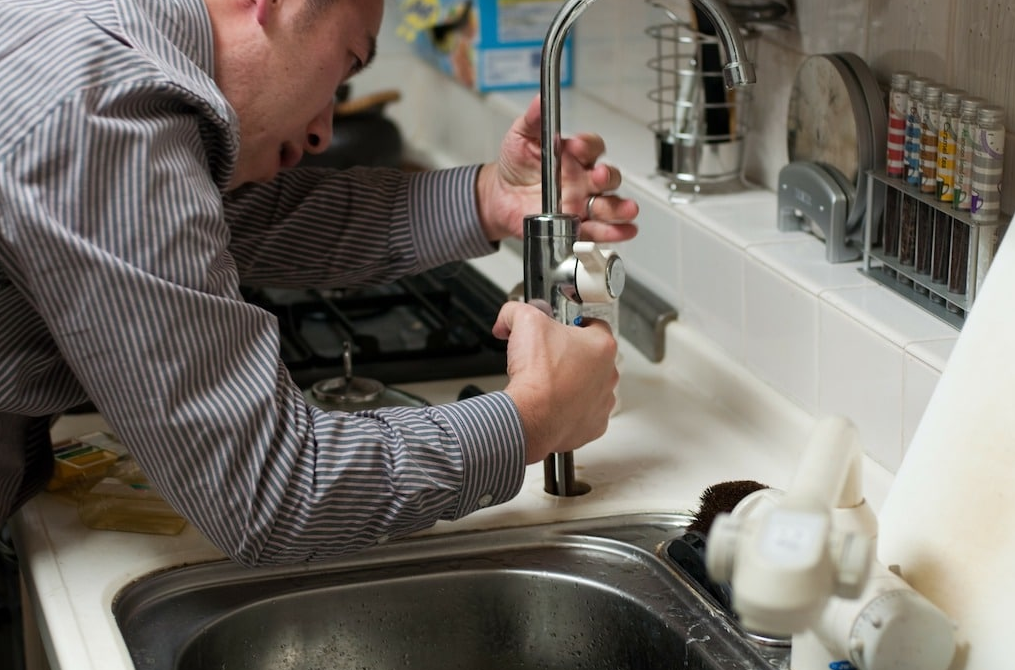
A dripping faucet might seem like a minor annoyance, but even a slow, steady drip can waste thousands of gallons of water per year and quietly inflate your utility bills. In older Asheville homes, worn-out washers, corroded valve seats, and deteriorating O-rings are among the most common culprits.
Warning Signs to Watch For
- A persistent drip even when the faucet handle is fully closed
- Water stains or mineral deposits forming around the base of the faucet
- A noticeable increase in your water bill without a change in usage habits
Most leaky faucets are repairable, but repeated leaks from the same fixture often signal that the unit is past its prime and replacement is the smarter long-term investment. Addressing a leaky faucet early keeps water waste in check and prevents the kind of moisture buildup that leads to mold and surface damage over time. Once faucets are under control, it’s worth checking in on another commonly overlooked water waster: the toilet.
2. Running Toilets
A running toilet is one of the most wasteful plumbing problems a homeowner can face. A toilet that won’t stop running can waste up to 200 gallons of water per day, often without making enough noise to draw attention. Because the sound can be subtle, many homeowners don’t realize there’s a problem until they see a significantly higher water bill.
What Causes a Running Toilet?
- A worn or warped flapper that no longer seals properly after flushing
- A faulty fill valve that fails to shut off once the tank is full
- A float set too high, causing water to continuously spill into the overflow tube
How to Check
Place a few drops of food coloring into the toilet tank and wait 10 to 15 minutes without flushing. If color appears in the bowl, water is leaking through the flapper and the issue needs to be addressed. While flapper replacements are a straightforward DIY fix, persistent running after replacement usually points to a deeper valve or fill mechanism issue that warrants a professional look. From toilets, another common complaint among Asheville homeowners is sluggish or inconsistent water flow throughout the home.
3. Low Water Pressure
Low water pressure doesn’t just slow down your morning routine. It signals underlying issues in your plumbing that deserve attention. Common causes include:
- Clogged fixtures: Mineral deposits from Asheville’s hard mountain water build up inside aerators and showerheads, gradually choking flow
- Hidden leaks: Water escaping through cracks or loose joints siphons flow away from your taps and appliances
- Faulty shutoff valves: Valves that aren’t fully open after repairs or have worn out over time restrict water supply
- Aging pipes: Corroded or galvanized steel pipes narrow the pathways where water flows, reducing pressure throughout the home
What You Can Do
Start with the simple fixes first. Remove and soak aerators and showerheads in vinegar to dissolve mineral buildup, and confirm that all shutoff valves are fully open. If pressure remains weak after those steps, the issue likely runs deeper. Scheduling an inspection with a licensed plumber can identify hidden leaks, assess pipe condition, and restore consistent flow before the problem worsens. With water pressure addressed, the next issue worth staying on top of is one that affects nearly every drain in the house.
4. Clogged Drains
Clogged drains are one of the most frequent plumbing complaints in Asheville homes, and they rarely develop without warning. The signs are usually there early, but easy to brush off until the blockage becomes severe enough to back up entirely.
Early Warning Signs
- Water draining slowly in sinks, showers, or tubs
- Gurgling sounds coming from drains when other fixtures are in use
- Unpleasant odors rising from the drain even after cleaning
What Causes Clogs?
- Hair and soap scum binding together in bathroom drains
- Kitchen grease that cools and solidifies inside pipes
- Food particles and coffee grounds accumulating over time
For minor clogs, a plunger or a baking soda and vinegar flush can often restore flow. Avoid chemical drain cleaners, as these erode pipe linings over time, particularly in older homes. For persistent or recurring blockages, professional hydro-jetting clears pipes thoroughly without harsh chemicals, which aligns with the eco-conscious values many Asheville homeowners prioritize. Once your drains are clear, there’s one more system worth keeping a close eye on, especially if your home has a basement or crawl space: the sump pump.
5. Sump Pump Failures
Asheville’s mountain terrain and heavy seasonal rainfall make sump pumps a critical line of defense for many local homes. A sump pump that fails during a heavy rain event can result in significant basement flooding and water damage in a short amount of time. The problem is that sump pumps often fail silently, with no obvious signs until water is already rising.
Warning Signs Your Sump Pump May Be Failing
- The pump runs continuously or cycles on and off too frequently
- Unusual grinding or rattling noises during operation
- Visible rust or corrosion on the unit
- The pump doesn’t activate when you pour water into the sump pit manually
- Your basement shows signs of moisture or musty odors after heavy rainfall
How to Stay Ahead of It
- Test your sump pump before rainy season by pouring a bucket of water into the pit to confirm it activates
- Check that the discharge line is clear and directing water away from your foundation
- Replace the backup battery if your unit has one, at least once a year
- Schedule a professional inspection every one to two years, particularly before Asheville’s wetter seasons
Blue Planet Plumbing and Air provides thorough sump pump inspections and maintenance for homeowners across Asheville, Buncombe County, and Henderson County, helping you avoid the costly aftermath of a failure at the worst possible time.
Preventive Tips to Keep Your Plumbing in Good Shape

Staying ahead of plumbing problems doesn’t require major effort, just consistent attention. A few habits that go a long way for Asheville homeowners:
- Schedule annual plumbing inspections: Catching issues early is almost always cheaper than repairing them after the fact
- Install drain screens: A small investment that keeps hair, food, and debris out of your pipes
- Test your sump pump before rainy season: Don’t wait for a storm to find out it isn’t working
- Clean aerators and showerheads regularly: Soaking them in vinegar dissolves hard water mineral buildup
- Listen for changes: Unusual sounds, odors, or pressure shifts are your plumbing’s way of signaling that something is off
Small habits practiced consistently prevent the kind of gradual deterioration that turns minor issues into major repairs.
Stop Small Plumbing Problems Before They Become Costly Repairs
The five issues covered in this guide rarely give much warning before turning into serious, expensive repairs. But with the right habits and the right team behind you, they don’t have to catch you off guard.
Blue Planet Plumbing and Air serves homeowners throughout Asheville, Buncombe County, and Henderson County with professional Home Services built on quality, transparency, and genuine care for your home. Whether you’re dealing with a persistent drip, a running toilet, or want your sump pump checked before rainy season hits, our team is ready to help.
Call us today at (828) 423-6289 to schedule your service or request your complimentary home plumbing safety inspection.
Schedule Your Appointment Online
We make it easy. Just click the button and follow the steps!
Frequently Asked Questions
If a faucet continues to drip after a washer replacement, the valve seat may be corroded or the O-ring may also need replacing. In some cases, the internal cartridge is worn beyond what a single part swap can fix, and replacing the entire faucet assembly is the more cost-effective solution.
A simple dye test using food coloring in the tank will confirm whether your flapper is leaking into the bowl. Even a slow, silent leak can waste hundreds of gallons per week. If your water bill has climbed without explanation, a running toilet is one of the first things worth checking.
Localized low pressure, such as only in one bathroom or the kitchen, typically points to a clogged aerator, a partially closed valve serving that line, or a localized pipe issue. Whole-home pressure loss is usually a sign of something more systemic, like a main line leak or a failing pressure regulator.
Most plumbing professionals recommend testing your sump pump at least once a year, ideally before Asheville’s spring and fall rainy seasons. A full professional inspection every one to two years is a smart precaution, particularly for homes in low-lying areas or neighborhoods with older drainage infrastructure.