Clean water is something we often take for granted, but not all tap water is as pure and safe as we’d like. Many Asheville homeowners notice strange tastes or odors in their water, and some worry about what might actually be lurking in their glass. From sediment carried through mountain watershed systems to mineral buildup common in Western North Carolina, local water quality challenges are real and worth addressing.
That’s where Asheville’s trusted water filtration experts come in: installing a whole-house water filtration system can remove unwanted chemicals and particles, giving you peace of mind and better-tasting water every day.
Installing a water filtration system provides significant health benefits by removing contaminants such as chlorine, heavy metals, and bacteria, ensuring safer and cleaner water for drinking and bathing. Additionally, it protects your plumbing and appliances from mineral buildup, extends their lifespan, reduces laundry detergent usage, saves money over time by cutting down bottled water consumption, and supports environmental sustainability by reducing plastic waste.
What’s in Asheville’s Tap Water?
Before exploring the benefits of filtration, it helps to understand what Asheville homeowners are actually dealing with. The city’s water supply comes primarily from the North Fork Reservoir and the Mills River watershed. While treated by Asheville Water Resources, water can still pick up sediment, trace chemicals, and organic matter as it travels through aging distribution pipes to your tap.
Common water quality concerns in Buncombe and Henderson Counties include:
- Sediment and turbidity, especially after heavy rainfall
- Mineral hardness from elevated calcium and magnesium levels
- Chlorine taste and odor from municipal disinfection
- Trace lead or copper in homes with older plumbing
Understanding these local conditions makes it clear why whole-house filtration is worth considering. With that context established, here are the key benefits you can expect.
Improved Water Quality and Taste
Municipal water treatment plants add chlorine and sometimes chloramine to disinfect water. While essential for public health, these chemicals leave behind a distinct taste and odor that makes drinking water less appealing. Many households end up relying on bottled water as a result.
Filtration removes chlorine, sulfur compounds, sediment, and other common taste offenders, restoring your water’s natural freshness. The improvement extends beyond taste: removing microscopic debris also clears up cloudiness, so your water looks as clean as it should. When every tap in your home delivers the same quality, the benefits extend to cooking, brewing coffee, and washing produce as well.
Better-tasting water is just the beginning. The real story is what cleaner water does for your health over time.
Health Benefits of Filtered Water
Removing Harmful Contaminants
When a filtration system removes lead, mercury, VOCs, and other harmful substances, it actively protects your household from toxins that accumulate in the body over time. The Centers for Disease Control and Prevention links roughly half a million cases of childhood developmental issues in the U.S. to lead-contaminated water. A professionally installed whole-house filtration system can significantly reduce many common contaminants, providing an added layer of protection for your household.
Skin, Hair, and Respiratory Health
Chlorine doesn’t just affect the taste of drinking water. It also strips natural oils from skin and hair during bathing, contributing to dryness and irritation. Beyond that, chlorine and other volatile compounds can vaporize during showers and cooking, introducing airborne irritants that aggravate respiratory conditions like asthma. Removing these chemicals at the source improves your water and your indoor air quality simultaneously.
Protection for Vulnerable Household Members
For families with young children, pregnant women, seniors, or immunocompromised individuals, filtered water offers an especially important layer of protection. High-quality filtration shields against pathogens like Giardia and Cryptosporidium that conventional treatment does not always fully eliminate.
Healthier water translates directly into healthier people, and it also translates into real financial savings over time.
Cost-Efficiency and Long-Term Savings
A filtration system is a sound financial investment when viewed over years rather than months. The upfront cost of a whole-house system typically ranges from $200 to $4,000 depending on system complexity, but consider what that replaces.
A family of four spending an average of $400 per year on bottled water will spend $4,000 over a decade. Annual filter maintenance, by contrast, typically runs between $60 and $300. The savings on bottled water alone often cover the cost of the system within a few years, and that doesn’t account for the money saved on appliance repairs.
Hard water deposits calcium and magnesium inside dishwashers, washing machines, and water heaters, reducing efficiency and accelerating wear over time. Filtration and softening address this at the source, helping your appliances last longer and run more efficiently, which also lowers your energy bills.
The financial case is strong. So is the installation process, which is more straightforward than most homeowners expect.
Installation and Maintenance
What to Expect During Installation
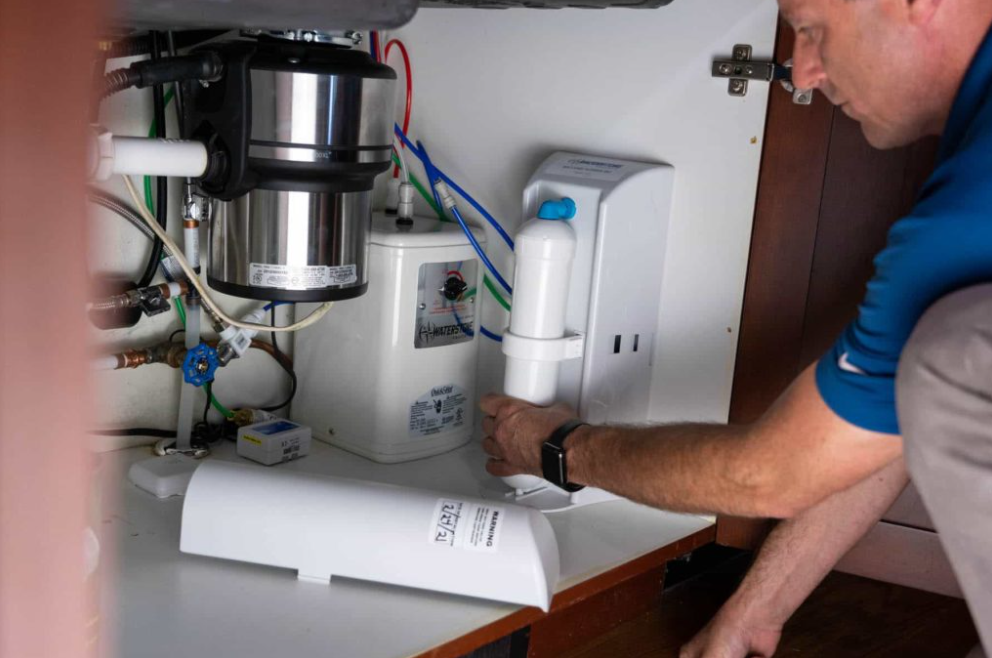
Many under-sink and faucet-mounted systems are designed for DIY installation using basic household tools, and most can be set up in under an hour. Whole-house systems are more involved and are best handled by a licensed plumber to ensure proper integration with your home’s existing plumbing.
Ongoing Maintenance Is Simple
Keeping your system running well is straightforward:
- Sediment pre-filters: replace every 3 to 6 months
- Activated carbon filters: replace every 6 to 12 months
- Reverse osmosis membranes: replace every 2 to 5 years
A properly maintained system delivers consistent performance without requiring frequent attention, making clean water an effortless part of daily life. With your system running reliably, the next benefit is one your appliances will thank you for.
Protecting Your Plumbing and Appliances
Mineral-heavy water silently damages your home’s infrastructure. Limescale narrows pipe diameter over time, reduces water pressure, and forces pumps and motors to work harder than they should. The National Sanitation Foundation estimates that mineral buildup can shorten appliance lifespan by 20 to 50%.
A whole-house filtration system, especially one paired with a water softener, reduces hardness minerals by 90 to 99% before they ever reach your pipes and appliances. Homeowners who make the switch typically notice:
- Quieter, more efficient appliances
- More consistent water pressure throughout the home
- Reduced need for soaps and detergents, since softened water lathers more effectively
- Fewer Home Services calls over time
Protecting your plumbing is a practical benefit, and so is the environmental impact of reducing your household’s reliance on plastic bottles.
Environmental Benefits
Switching to filtered tap water significantly cuts your household’s plastic footprint. The average American consumes roughly 42 gallons of bottled water per year, which translates to approximately 168 single-use plastic bottles per person annually. For a family of four, that’s nearly 700 bottles kept out of landfills and waterways each year.
For Asheville homeowners who value environmental stewardship, this alignment between personal choices and community values matters. Choosing filtered water over bottled is a small daily decision with a measurable long-term impact on the local environment.
With all of these benefits in place, one last consideration ties them all together: comprehensive household safety.
Ready for Cleaner, Safer Water in Your Asheville Home? Let Blue Planet Plumbing and Air Help.
If you’ve been dealing with hard water, off-tasting tap water, or concerns about what’s flowing through your pipes, a whole-house water filtration system is one of the most impactful upgrades you can make. Blue Planet Plumbing and Air specializes in water filtration installation for homeowners throughout Asheville and the surrounding communities of Buncombe and Henderson Counties. Our team can assess your home’s specific water conditions, recommend the right system, and handle installation from start to finish.Call us today at (828) 423-6289 to schedule your consultation and take the first step toward better water in your home!
Schedule Your Appointment Online
We make it easy. Just click the button and follow the steps!
Frequently Asked Questions
Asheville’s water meets federal safety standards, but that doesn’t mean it’s free of all concerns. Aging pipes in older neighborhoods, particularly homes built before 1986, may introduce lead or copper before water reaches your tap. Whole-house filtration adds a meaningful protective layer beyond what municipal treatment alone provides.
The most frequently reported concerns include sediment from surface water sources, mineral hardness, chlorine taste and odor, and trace heavy metals in homes with older plumbing. Seasonal heavy rain can also temporarily increase turbidity and organic content in local water.
For most homes in the area, a combination of sediment pre-filtration, activated carbon filtration, and a water softener covers the most common local concerns. Homes with older pipes may benefit from an additional lead-reduction filter at the kitchen tap. A water quality test is the best starting point.
In most cases, the impact is minimal, typically a reduction of 0 to 10% depending on the system. A properly sized and installed system maintains comfortable flow rates throughout your home.