Quality. Precision. Accountability. Same-day plumbing and HVAC service across Western NC and the Upstate.

Heating and cooling

Heat pump installation and repair for Western North Carolina and the Upstate

A heat pump heats your home all winter and cools it all summer with one outdoor unit. We size it to your house, install it to manufacturer specs and keep it running through mountain cold snaps and long Upstate summers.

(828) 202-7954

4.9 from 2,021 reviews

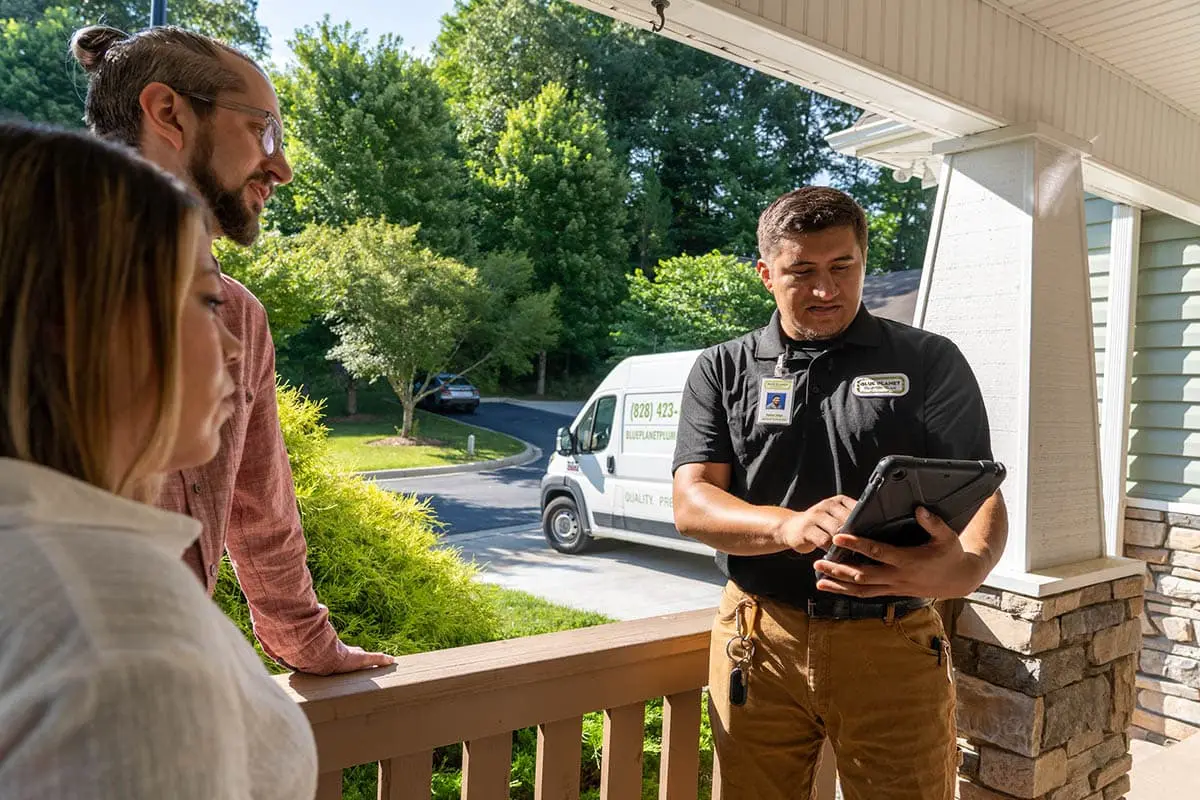
Technician reviewing options on a tablet with homeowners on their porch

Why heat pumps fit mountain and Upstate homes

A heat pump does not burn fuel to make heat. It moves heat, pulling warmth out of the outdoor air even on cold days and delivering it inside, then reversing in summer to work as your air conditioner. For the moderate climate of Western North Carolina, that makes a heat pump one of the most energy-efficient heating and cooling options available, and often the most cost-effective choice over the life of the system.

Blue Planet Plumbing and Air installs, replaces and repairs heat pumps from Asheville and Hendersonville to Greenville and the rest of the Upstate. Modern cold-climate heat pumps keep producing heat well below freezing, which matters for homes on ridges and in higher valleys where January mornings run colder than the forecast for town. In the Upstate, where the cooling season starts early and runs late, the same system earns its keep as an air conditioner for more of the year.

A heat pump is the right conversation if:

  • Your AC and furnace are both near the end of their life. One heat pump can replace both.
  • You heat with electric baseboard or an old electric furnace. Moving heat costs far less than making it with resistance coils.
  • Your propane bills are climbing. A heat pump, or a dual-fuel pairing with your existing furnace, cuts how much fuel you buy.
  • Your current heat pump needs a major repair and is past 12 to 15 years old. Replacement often costs less over time than another compressor or coil.

Heat pump installation: sizing, equipment and dual fuel

Correct sizing is the most important part of a heat pump install. An oversized system short cycles, wears out early and leaves the air clammy in summer; an undersized one leans on expensive backup heat every cold night. Every installation starts with a full Manual J load calculation using your home's square footage, insulation, windows, orientation and duct layout.

We install both traditional split-system heat pumps and cold-climate or hyper-heat models built for higher elevations and colder winters. We will walk you through the efficiency ratings that matter, HSPF2 for heating and SEER2 for cooling, and what a higher rating actually means on your bill. We advocate for variable-speed systems where they fit, because a compressor that slows down instead of shutting off runs quieter, holds steadier temperatures and removes more humidity.

For homes that already have gas or propane, a dual-fuel system pairs a heat pump with a gas furnace. The heat pump carries the load most of the year and the furnace takes over when it is colder outside than the heat pump can handle efficiently.

Our installation process:

  • Full Manual J load calculation and equipment sizing for your house.
  • Traditional and cold-climate heat pump options across efficiency and budget tiers, priced upfront.
  • Dual-fuel installation when gas backup makes sense.
  • Removal and disposal of the old equipment.
  • Installation to manufacturer specs and code.
  • Full commissioning, with heating and cooling modes both verified before we leave.
  • A walkthrough of the thermostat, emergency heat and filter changes.

Heat pump repair: the problems we diagnose

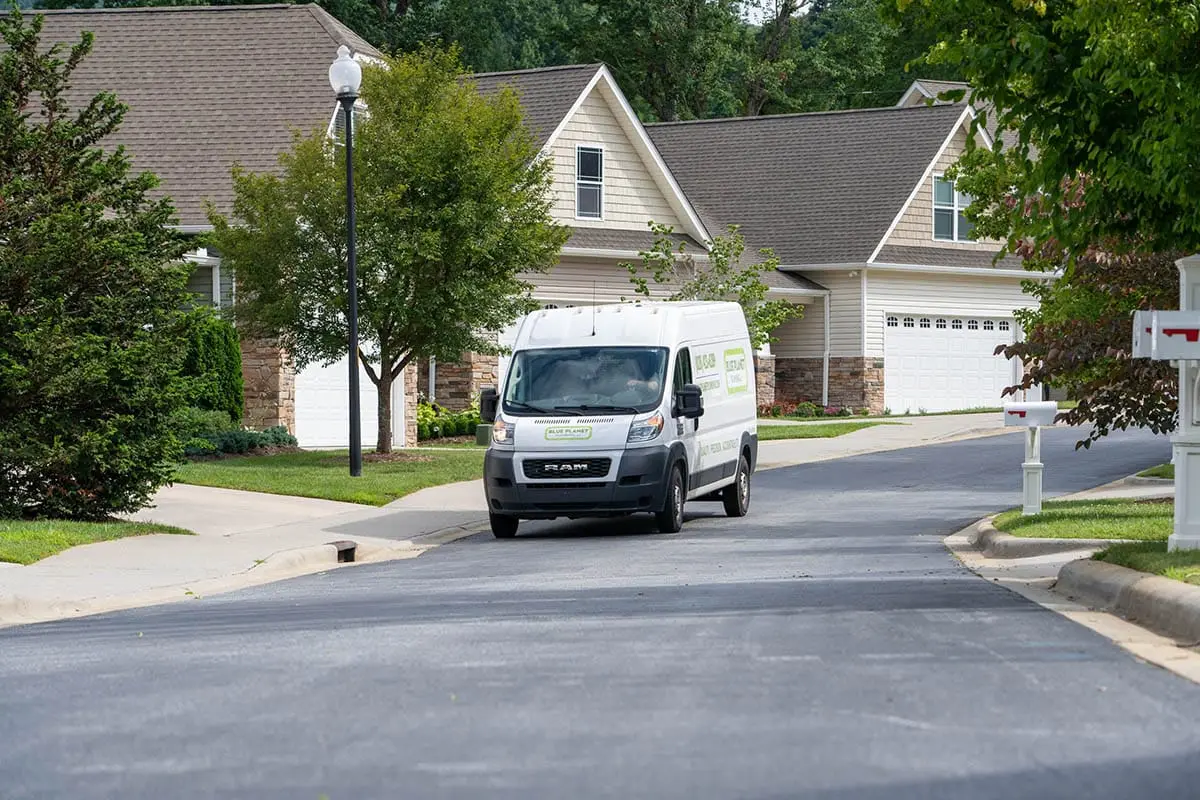
Blue Planet service van parked on a neighborhood street

Heat pump repairs take technicians trained in refrigerant-based heating. Our team is EPA 608 certified and experienced with the problems unique to heat pumps, including reversing valve and defrost failures that are often misdiagnosed as low refrigerant.

  • Reversing valve failure. This valve switches the system between heating and cooling. When it sticks, you get cool air in heating mode or warm air in cooling mode.
  • Defrost board and defrost cycle problems. If the outdoor coil ices over and never clears, the system loses heating capacity and can damage the coil and fan.
  • Auxiliary heat strip failure. Backup heat strips that do not come on leave the house cold on the coldest mornings; strips that never shut off drive up electric bills.
  • Refrigerant leaks and recharge. We find and repair the leak before recharging.
  • Compressor diagnostics and replacement. We test start components and windings before condemning a compressor.
  • Capacitor and contactor replacement. The most common start-up failures, especially after summer heat.
  • Outdoor fan motor replacement. A stopped fan means the coil cannot shed or pick up heat.
  • Thermostat and control board troubleshooting. Heat pump thermostats must be wired and configured for the reversing valve and auxiliary heat to work correctly.

Normal heat pump behavior that is not a problem

Some of our calls are for heat pumps that are working exactly as designed. Knowing the difference saves you a service fee and a worry.

  • Steam rising from the outdoor unit in winter. That is the defrost cycle melting frost off the coil. It can last several minutes and may come with a whoosh as the reversing valve shifts.
  • Air that feels warm, not hot. A heat pump delivers a steady stream of air that is cooler than a gas furnace's blast, even when it is heating the house correctly.
  • Longer run times on cold days. Heat pumps are designed to run longer at lower output. Running nearly nonstop on a frigid morning is normal; running nonstop on a mild day is not.
  • Auxiliary heat showing on the thermostat during recovery. Backup heat may come on after a big setback or on very cold mornings.

Call us if the outdoor unit stays caked in ice for hours, the system blows cold air in heating mode for more than a few minutes outside of defrost, or emergency heat is running all the time.

Maintenance for a system that works all year

A heat pump heats in winter and cools in summer, so it logs roughly twice the operating hours of a furnace or an AC-only system. That makes regular maintenance critical to efficiency and service life. We recommend a visit in spring and another in fall.

A heat pump tune-up covers refrigerant level and leak checks, indoor and outdoor coil cleaning, defrost cycle and reversing valve tests, capacitor and contactor inspection, an auxiliary heat strip check, thermostat and control verification, electrical connections and amp draw, filter inspection and an outdoor clearance and airflow check. Leaves, snowbanks and mulch piled against the outdoor unit are common in mountain yards and choke airflow. See our HVAC maintenance plans for priority scheduling and discounted repairs.

Paying for a heat pump upgrade

A new heat pump is a significant purchase, and the right one should pay you back in lower energy use and fewer repairs. We give you upfront, itemized pricing on several equipment options before any work begins, so you can compare efficiency tiers side by side.

Utility rebates and efficiency incentives change from year to year, and some federal credits that applied to heat pumps in past years have ended. Ask us what is available for your address when you get your quote and we will point you to the programs that apply. Payment plans through GreenSky, subject to credit approval, can spread the cost out.

What our clients say

4.9

Average from 2,021 Google reviews

Read all reviews
“Patrick came on time to assess and communicate the issues, and had the know how and caring to contact the Manufacturer, who determined that we had a warranty, and that parts would be covered.”
Christine, Google review
“Anthony was very knowledgeable and efficient in identifying and fixing my HVAC issues. Would definitely recommend this company.”
Ken C., Google review
“I appreciate the courtesy call to let me know what time he would be at my home, and he was on time. Anthony was very helpful and knowledgeable with my concerns.”
Wendy, Google review

Frequently asked questions

Do heat pumps work in Western North Carolina winters?

Yes. Western North Carolina winters are moderate for most of the season, and modern cold-climate heat pumps keep heating efficiently well below freezing. For higher-elevation homes, we may recommend a cold-climate model or a dual-fuel system with gas backup for the coldest nights.

Why is my heat pump blowing cold air in heat mode?

If it lasts only a few minutes, the unit is probably in a defrost cycle, which is normal. If it continues, possible causes include a stuck reversing valve, low refrigerant, a failed outdoor fan or a thermostat wired or set incorrectly. Turn the thermostat to emergency heat to stay warm and call us.

Is ice on my heat pump in winter normal?

A light frost that clears every so often is normal; the defrost cycle melts it. A unit that stays encased in ice for hours, or ice building up on the top and fan, points to a defrost board, sensor, refrigerant or drainage problem. Do not chip at the ice, since that can puncture the coil.

When should I use emergency heat?

Use it only when the heat pump itself has failed and you are waiting on a repair. Emergency heat runs the electric backup strips alone, which costs much more to operate. If your thermostat shows emergency heat running when you did not turn it on, have the system checked.

What is a dual-fuel heat pump system?

It pairs an electric heat pump with a gas or propane furnace. The heat pump handles heating and cooling most of the year, and the furnace takes over when outdoor temperatures drop to the point where gas is the cheaper or more comfortable option. It is a good fit for homes that already have a working furnace and gas service.

How long does a heat pump installation take?

A like-for-like replacement of an existing split system is the quickest kind of job, and access to the air handler and the condition of the existing line set drive most of the schedule. Projects that add ductwork, change from a furnace to a heat pump or install a dual-fuel setup can take longer. We give you the expected timeline with your written options.

What do SEER2 and HSPF2 mean?

SEER2 rates cooling efficiency and HSPF2 rates heating efficiency, both under the current federal test procedure. Higher numbers use less electricity for the same comfort. We show you how the ratings of each option translate into operating cost for your house so the higher price of a more efficient unit makes sense, or does not.

Should I repair or replace my old heat pump?

If the system is under about ten years old and needs a capacitor, contactor or fan motor, repair usually wins. If it is 12 to 15 years old and needs a compressor, a coil or a large refrigerant repair, replacement is often the better spend. We price both so you can compare.

Plan your heat pump with a load calculation, not a guess

Book an in-home assessment or call to schedule a heat pump repair.

Call now