Indoor air quality solutions for homes in Western North Carolina and the Upstate
Your heating and cooling system moves every cubic foot of air in your home many times a day. We use it to filter, clean and balance that air, and to keep humidity where your house and your lungs are comfortable.
Indoor air quality service is the work of improving the air inside your home through your HVAC system: better filtration, air purification, humidity control and airflow that reaches every room. Blue Planet Plumbing and Air offers indoor air quality solutions across Western North Carolina and the Upstate, built around the heat pump, furnace, air conditioner or mini-split you already have.
We start by finding out what is actually bothering you. Dust that settles a day after cleaning points to filtration and duct leaks. A musty smell points to moisture. Stuffy bedrooms point to airflow. Allergy flare-ups every April point to pollen getting past the filter. Each one has a different fix, and we do not sell equipment that does not address your problem.
Indoor air quality work is worth a look if:
Allergy or asthma symptoms are worse indoors than outside.
Dust builds up fast on furniture and around supply vents.
The house smells musty, especially in the basement or crawlspace or when the AC starts.
Windows fog or sweat in winter, or the air feels clammy in summer.
Some rooms always feel stuffy or too hot or cold compared to the rest of the house.
Why air quality is a mountain and Upstate concern
Western North Carolina's pollen-heavy springs coat cars, porches and outdoor coils every year, and much of that pollen finds its way indoors through doors, windows and leaky ducts. Humid summers in the mountain valleys and across the Upstate push moisture into basements and crawlspaces, where it feeds mold and dust mites. In winter, houses closed up against the cold hold onto cooking odors, pet dander and anything off-gassing from new furniture or paint.
Older homes in Asheville and the surrounding towns often have ductwork running through damp crawlspaces, with return ducts that pull air from places you would not want to breathe. Newer, tighter homes trap more of what is generated indoors. Both need a plan, and the plan is different for each.
Better filtration that your system can handle
The filter in your return or air handler is your first line of defense, and most homes can do better than a thin fiberglass filter. Filters are rated by MERV; higher ratings capture smaller particles like pollen, pet dander and fine dust.
There is a catch. A filter that is too restrictive for your blower chokes airflow, which can freeze an AC coil, overheat a furnace and raise energy use. Before recommending an upgrade we check the system's static pressure and return sizing. When a higher-efficiency filter is the right move, we often recommend a deeper media filter cabinet, which captures more without the airflow penalty of a thin high-MERV filter and usually needs changing less often.
Media filter cabinets for better capture with less restriction.
Return air upgrades when undersized returns are starving the system.
Filter sizing and schedules matched to your household, pets and allergy season.
Air purification options
Filtration catches particles. Purification targets what filters miss, such as some biological growth and odors. The right option depends on the problem we find, the layout of your system and how much maintenance you want to take on.
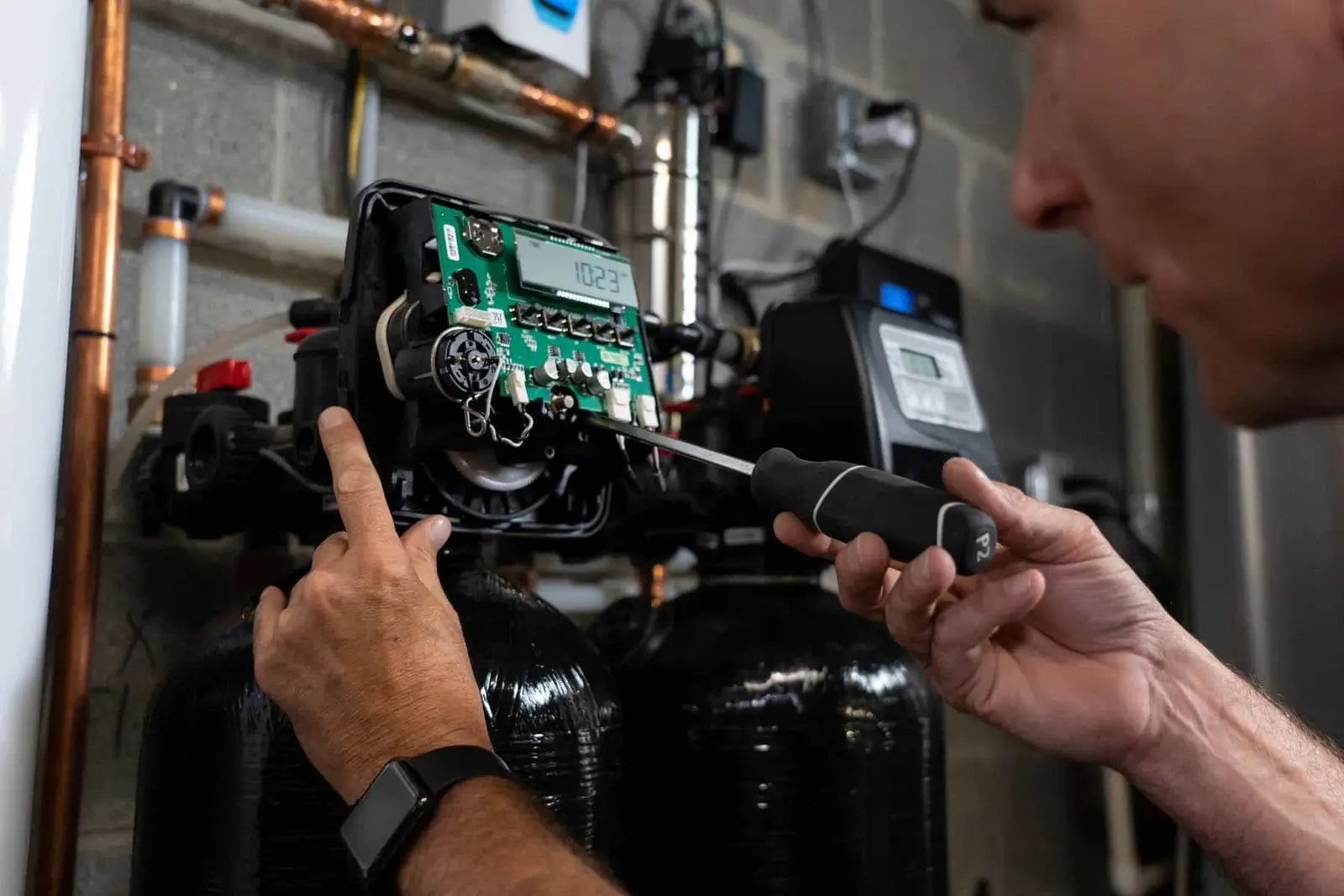
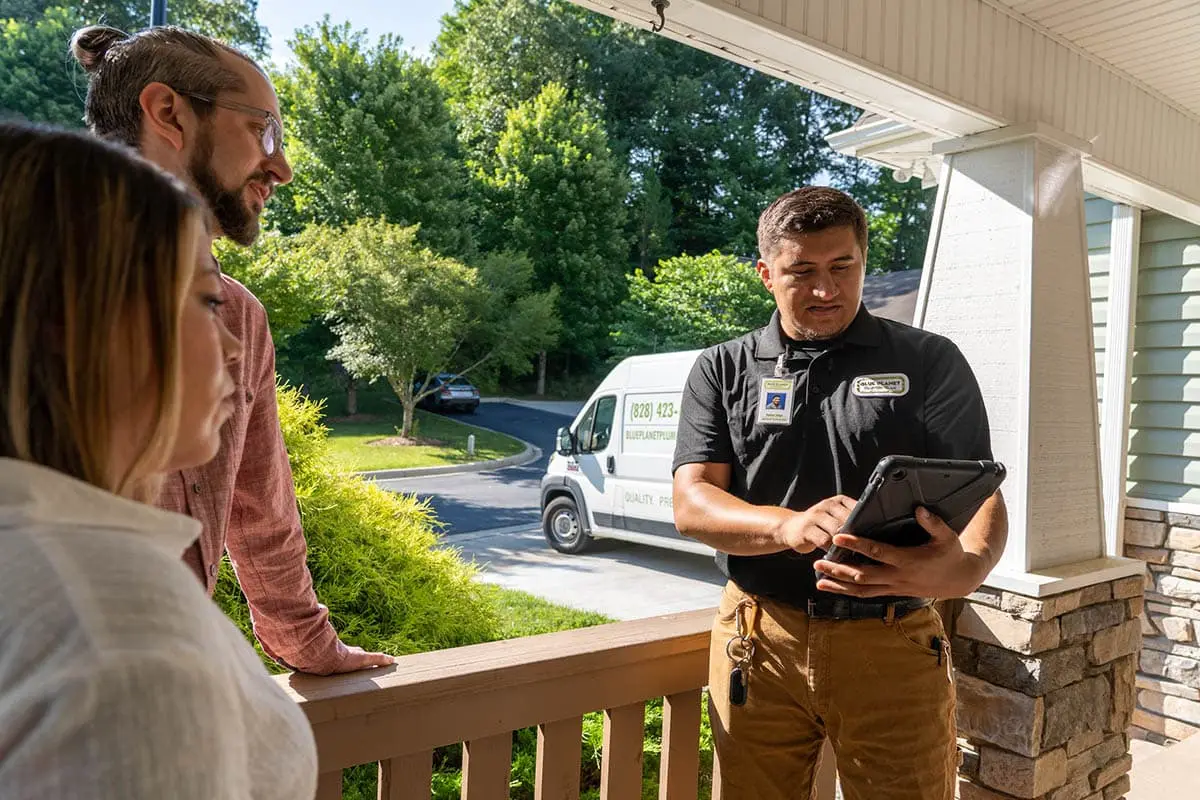
We will walk you through the purification options that fit your equipment, what each one does and does not do, and what it costs to maintain. If a better filter and a dry, clean coil will solve the problem, we will tell you that instead. Our HVAC technician Paul focuses on indoor air quality solutions along with service, repair and equipment change-outs, so you are talking with someone who works on this regularly.
Humidity control in summer and winter
Humidity affects comfort, health and your house itself. The EPA recommends keeping indoor relative humidity below 60 percent, and ideally between 30 and 50 percent, to limit mold growth.
Too humid in summer. An oversized air conditioner cools the house quickly and shuts off before it pulls moisture out, leaving a cold, clammy feel. Variable-speed equipment, correct sizing, dedicated dehumidification and mini-splits with dry modes all help. Basements and crawlspaces may need their own moisture plan.
Too dry in winter. Heated winter air can dry out to the point of static shocks, cracked skin and gaps in hardwood floors. We can talk through humidification options that work with your system.
Moisture you can see. Water around the air handler, a sweating supply duct or a wet crawlspace is a moisture problem first and an air quality problem second. We trace it to the source.
Basement water problems sometimes belong to the plumbing side of our house. A failing sump pump or a slow leak can be the real source of the humidity, and we can check both on the same visit.
Airflow and ductwork problems
Clean air does nothing for a room it never reaches. ENERGY STAR estimates that in a typical house, about 20 to 30 percent of the air moving through the duct system is lost to leaks, holes and poorly connected ducts. Leaky return ducts in a crawlspace or attic also pull dust, insulation fibers and damp air into the system.
Disconnected or crushed flex duct in attics and crawlspaces.
Leaky joints and plenums that pull unfiltered air into the return.
Undersized or missing returns that leave bedrooms stuffy with the doors closed.
Unbalanced airflow between floors, especially in two-story mountain homes where heat rises to the upper level.
We measure, find the leaks and restrictions that matter most and give you options at upfront, flat-rate prices. Some airflow problems are better solved by adding a ductless mini-split to a hard-to-reach room than by rebuilding ducts.
Healthy air and healthy water go together
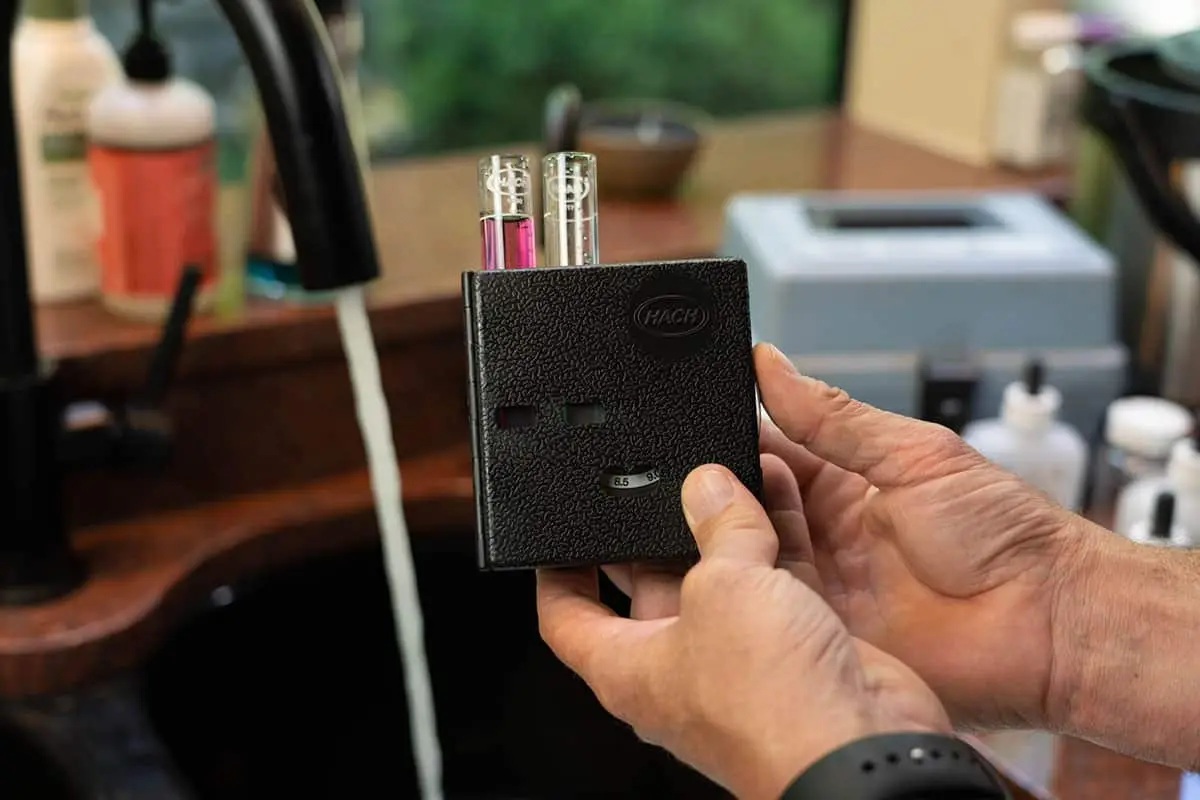
A healthy home is about the water you drink as much as the air you breathe. Because we are a plumbing and HVAC company, we can look at both. If you are on a private well or have concerns about your municipal water, ask about water quality testing and our whole-home water filtration options, from sediment and carbon filters to reverse osmosis and UV treatment for well water.
Every service call includes a complimentary plumbing and HVAC safety inspection, so an air quality visit can also flag issues with your water heater, gas lines or plumbing.
“Patrick came on time to assess and communicate the issues, and had the know how and caring to contact the Manufacturer, who determined that we had a warranty, and that parts would be covered.”
Christine, Google review
“Anthony was very knowledgeable and efficient in identifying and fixing my HVAC issues. Would definitely recommend this company.”
Ken C., Google review
“I appreciate the courtesy call to let me know what time he would be at my home, and he was on time. Anthony was very helpful and knowledgeable with my concerns.”
Wendy, Google review
Frequently asked questions
How can I tell if my home has poor indoor air quality?
Common signs include dust that builds up quickly, musty odors, allergy symptoms that ease when you leave home, condensation on windows and rooms that always feel stuffy. None of these alone proves a problem, but together they point us to filtration, moisture or airflow. We start by asking what you notice and checking the system.
What MERV filter should I use?
It depends on what your blower and return ductwork can handle. A higher MERV rating catches smaller particles, but a filter that is too restrictive can reduce airflow, freeze the AC coil or overheat the furnace. We check static pressure before recommending an upgrade, and a deeper media filter cabinet is often the better way to get higher filtration.
What humidity level should I keep in my house?
The EPA recommends keeping indoor relative humidity below 60 percent, ideally between 30 and 50 percent. Above that range, mold and dust mites thrive; well below it in winter, you get dry skin, static and shrinking wood floors. An inexpensive humidity monitor tells you where your home sits.
Why does my house smell musty when the AC turns on?
Usually moisture is sitting where it should not: a dirty evaporator coil, a drain pan that is not draining fully or ductwork in a damp crawlspace. The smell gets blown through the house when the blower starts. We clean and check the coil and drain and look for the moisture source.
Can my current HVAC system be upgraded for better air quality?
In most cases, yes. Filtration, purification and humidity control can usually be added to an existing heat pump, furnace or air handler, and duct repairs can be done without replacing the equipment. We look at your system first and tell you what it can support.
Will an air quality upgrade help with allergies?
It can reduce the pollen, dust and dander circulating in your home, which many people with allergies notice. It is not a medical treatment, and results depend on the source of the problem and on keeping filters changed. Talk with your doctor about health questions and with us about the system.
Should I get my ducts cleaned?
Sometimes. Duct cleaning makes the most sense after renovation dust, signs of pests or visible mold, or when supply vents blow out debris. In many homes, sealing leaky return ducts and upgrading the filter does more for air quality than cleaning. We will tell you which applies to your house.
Do you test water quality too?
Yes. Because we handle plumbing as well as HVAC, we can test your water and recommend whole-home filtration, softening, reverse osmosis or UV treatment based on the results. Many well owners in Western North Carolina pair water treatment with their air quality work.
Breathe easier at home
Book an indoor air quality visit online or call to talk through what you are noticing.