Quality. Precision. Accountability. Same-day plumbing and HVAC service across Western NC and the Upstate.

Heating and cooling

HVAC maintenance and seasonal tune-ups in Western North Carolina

A maintained system runs quieter, uses less energy and lasts longer than one that only gets attention when it breaks. We tune up air conditioners, heat pumps, furnaces and mini-splits before each season so they are ready when you need them.

(828) 202-7954

4.9 from 2,021 reviews

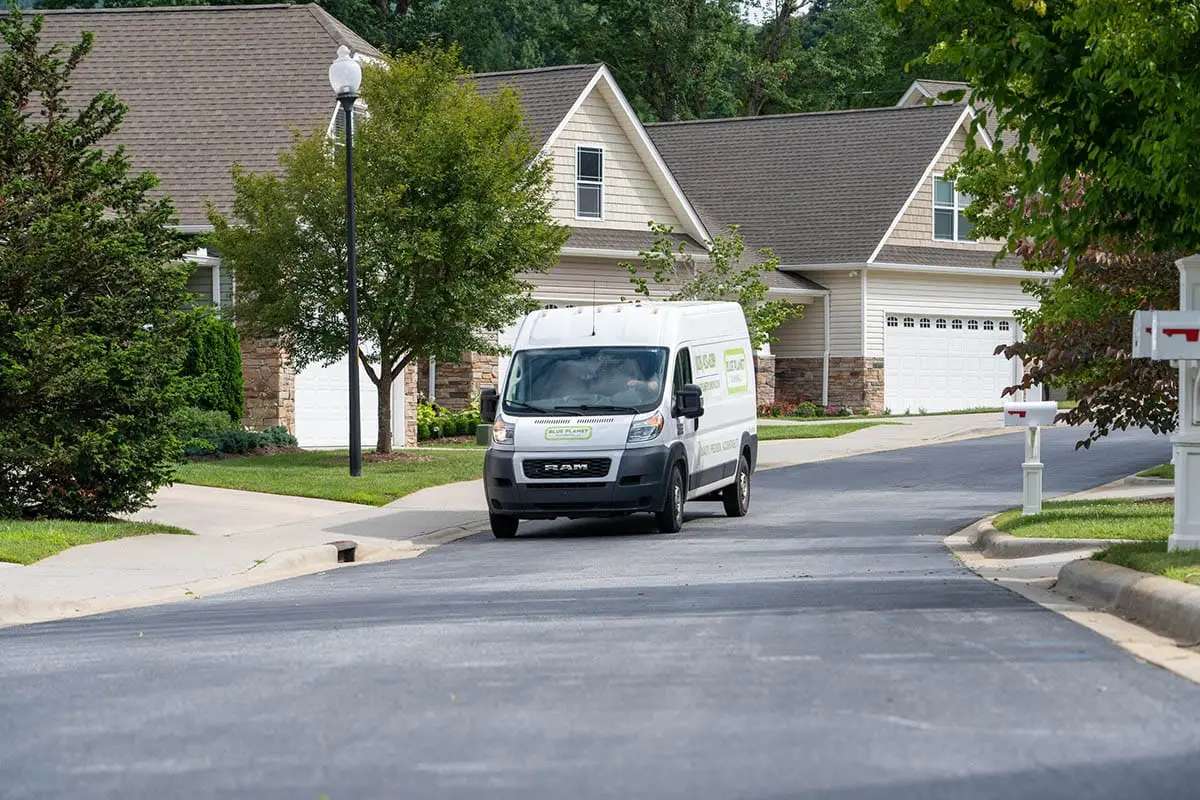
Blue Planet service van driving through a neighborhood

What HVAC maintenance covers and why it pays

HVAC maintenance is a scheduled inspection, cleaning and test of your heating and cooling system, done before the season it has to work hardest. Keeping a system running efficiently is not something that happens by accident. Blue Planet Plumbing and Air brings the same standards to HVAC maintenance that homeowners across Western North Carolina and the Upstate have trusted in our plumbing work.

The mountain climate puts its own demands on equipment. Humid summers, pollen-heavy spring air and the hard first startup after months of sitting idle all accelerate wear. In the Upstate, long cooling seasons put more hours on compressors and condensate drains. A tune-up catches small problems before they become emergency repairs and keeps the system from losing efficiency year after year.

Maintenance is the right call if:

  • Your system has not been serviced in over a year.
  • You are heading into the first hot or cold stretch of the season.
  • Your bills crept up without a change in how you use the house.
  • You just bought the home and do not know the system's history.
  • You want the manufacturer warranty protected. Many equipment warranties expect proof of regular professional maintenance.

Spring cooling tune-up checklist

Our certified HVAC technicians perform a thorough seasonal inspection on central air conditioners and heat pumps in cooling mode, covering every component that affects performance, safety and efficiency.

  • Thermostat calibration and operation check.
  • Air filter inspection and replacement if needed.
  • Evaporator and condenser coil cleaning. The outdoor coil collects pollen, grass clippings and cottonwood fluff every spring.
  • Refrigerant level check and leak inspection.
  • Electrical connections tightened and tested.
  • Capacitor and contactor inspection. A capacitor reading below its rating is one of the most common causes of a no-cool call in July.
  • Condensate drain line cleaning and flush to keep algae from backing water into the pan.
  • Blower motor and belt inspection.
  • System cycling and temperature differential test to confirm the system is actually removing heat.
  • Safety controls and shutoff verification, including the float switch on the condensate pan.

Fall heating tune-up for furnaces and heat pumps

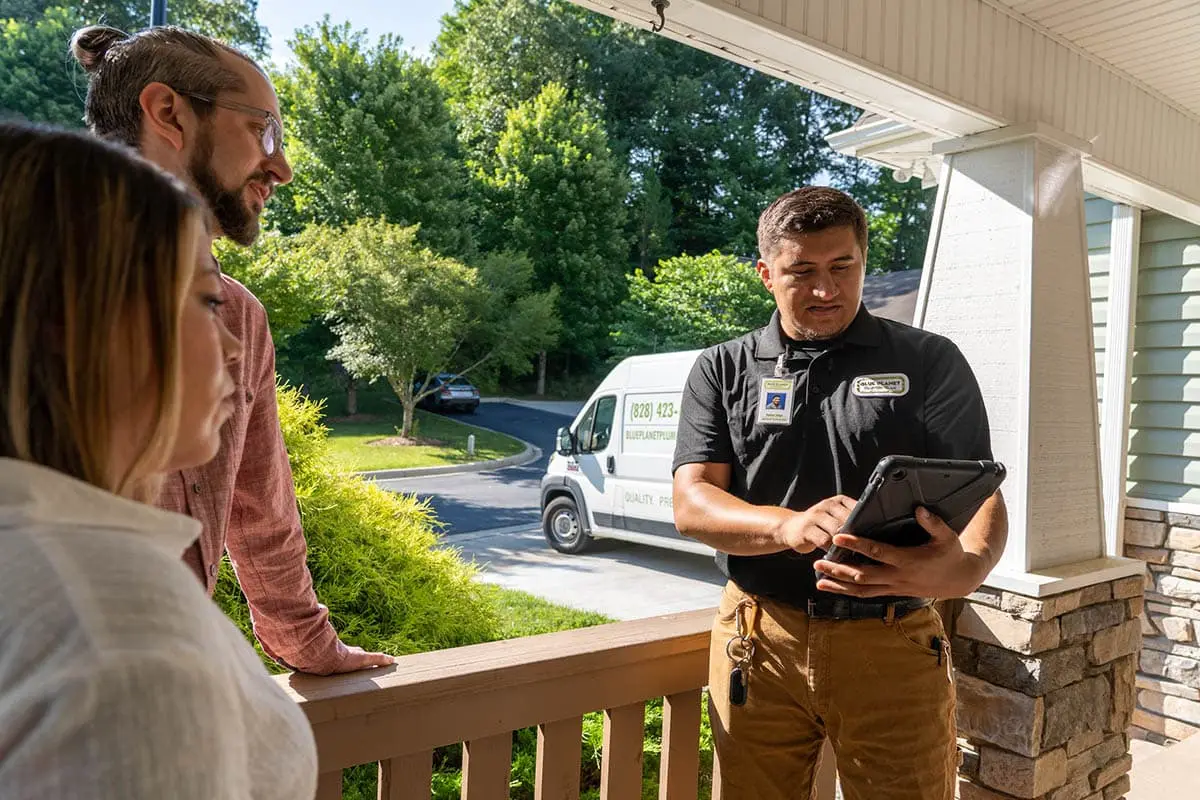
Technician reviewing options on a tablet with homeowners on their porch

The fall visit focuses on heat and on safety. What we check depends on the system you have.

Gas furnaces get a heat exchanger inspection for cracks, burner cleaning and combustion analysis, flue and venting inspection, gas valve and pressure verification, igniter and flame sensor testing, blower and filter checks, safety control tests and a carbon monoxide check. See our furnace service page for what we look for and why.

Heat pumps run all year, logging about twice the hours of a furnace or AC-only system. Their fall tune-up adds a defrost cycle and reversing valve test, an auxiliary heat strip check, amp draw measurements and an outdoor clearance check, since leaves and mulch piled around the unit choke airflow all winter.

Ductless mini-splits get the indoor filters cleaned, coils cleaned on both the indoor and outdoor units, a refrigerant and leak check, a condensate drain cleaning, electrical and control board inspection, a Wi-Fi and control check and a test of each operating mode.

Maintenance plans: priority scheduling and discounted repairs

Blue Planet Plumbing and Air offers scheduled maintenance plans that take the work off your plate entirely. We reach out when your tune-ups are due, so the spring and fall visits happen on time instead of after the first breakdown.

  • Priority scheduling. When the first heat wave or cold snap hits and every HVAC company's phone is ringing, plan members move ahead in the queue.
  • Discounted repairs. If a tune-up or a later call turns up a needed repair, members pay a reduced price.
  • A system that is ready. The confidence that your heat pump, furnace or AC has been checked before you need it most.

Plan options vary by the equipment you have and how many systems are in your home. Ask about plan options when you schedule your first visit. If you also want your plumbing covered, ask how our HVAC plans work alongside our Home Services Membership, which includes a yearly plumbing and HVAC inspection.

What you can do between visits

A few simple habits keep your system healthy between professional tune-ups. None of them involve opening electrical panels or touching refrigerant lines.

  • Check the filter monthly. Replace it when it looks gray or clogged, and more often during spring pollen season or if you have pets. A clogged filter is behind many frozen coils and overheated furnaces.
  • Keep the outdoor unit clear. Leave at least a couple of feet of open space around it. Rake out leaves in fall and brush off snow drifts in winter.
  • Keep supply and return vents open. Closing vents in unused rooms raises pressure in the ducts and can make the system work harder.
  • Watch the condensate line. If you see water around the indoor unit or the float switch shuts the system off, call before the overflow reaches the ceiling or floor.
  • Replace thermostat batteries once a year if your model uses them.
  • Test carbon monoxide alarms if you have any gas appliance.

If something sounds, smells or looks off, book a visit. Our AC repair technicians would rather find a weak part in May than a failed compressor in July.

Every visit includes a plumbing and HVAC safety inspection

Because we are a plumbing and HVAC company, a maintenance visit looks at more than the equipment you called about. Every service call includes a complimentary plumbing and HVAC safety inspection that can point out energy-saving opportunities and catch issues like a leaking water heater relief valve, a corroded gas line or a sump pump that will not start. You get the findings in plain language and no pressure to act on them.

You also get your technician's name and photo before they arrive, floor protection inside your home and cleanup when the work is done.

What our clients say

4.9

Average from 2,021 Google reviews

Read all reviews
“Patrick came on time to assess and communicate the issues, and had the know how and caring to contact the Manufacturer, who determined that we had a warranty, and that parts would be covered.”
Christine, Google review
“Anthony was very knowledgeable and efficient in identifying and fixing my HVAC issues. Would definitely recommend this company.”
Ken C., Google review
“I appreciate the courtesy call to let me know what time he would be at my home, and he was on time. Anthony was very helpful and knowledgeable with my concerns.”
Wendy, Google review

Frequently asked questions

How often should I have my HVAC system serviced?

Twice a year is the standard for most homes: a cooling tune-up in spring and a heating tune-up in fall. Heat pumps especially benefit from both visits because they run in every season. A furnace-only home can get by with one fall visit.

When is the best time to schedule a tune-up?

Book cooling maintenance in early spring, before the first hot week, and heating maintenance in early fall, before the first cold night. Those windows give us time to fix anything we find before you depend on the system, and appointments are easier to get than during a heat wave or cold snap.

What do HVAC maintenance plan members get?

Plan members get scheduled seasonal tune-ups, priority scheduling when demand is high and discounted repairs. Details depend on your equipment and the number of systems in your home, so ask about plan options when you book.

Does maintenance really make a difference if my system works fine?

Yes. Most of the breakdowns we repair began as small problems a tune-up finds: a weak capacitor, a dirty coil, a loose electrical connection, a partly clogged drain. Maintenance also keeps the system from slowly losing efficiency, which shows up on your energy bill before it shows up as a breakdown.

Can I skip a tune-up on a new system?

We do not recommend it. New systems still collect dirt, drains still grow algae and electrical connections still loosen. Many manufacturer warranties also expect regular professional maintenance, so keeping records protects your coverage.

How long does an HVAC tune-up take?

It depends on the type of system and how many units you have. A single furnace or AC is usually a shorter visit than a heat pump with an air handler or a multi-zone mini-split. If we find a problem, we explain it and give you options before doing any extra work.

Do you maintain ductless mini-splits too?

Yes. Mini-split maintenance includes cleaning the indoor unit filters, cleaning coils on both the indoor and outdoor units, checking refrigerant and leaks, clearing the condensate drain, inspecting the electrical and control boards and testing each mode. Dirty indoor coils are a common cause of musty smells and weak airflow from wall units.

How often should I change my air filter?

Check it monthly and replace it when it looks dirty. Many one-inch filters need changing every one to three months, and more often during spring pollen season, with pets or after renovation dust. If you are not sure which filter your system takes, ask during your tune-up.

Put your tune-ups on a schedule

Book a seasonal tune-up online or call to ask about maintenance plan options.

Call now