Quality. Precision. Accountability. Same-day plumbing and HVAC service across Western NC and the Upstate.

Heating and cooling

Furnace repair, maintenance and replacement in Western North Carolina

Western North Carolina winters demand reliable heat. We service gas and electric furnaces with safety at the center of every visit, from heat exchanger inspections to carbon monoxide checks, and give you upfront options before any repair.

(828) 202-7954

4.9 from 2,021 reviews

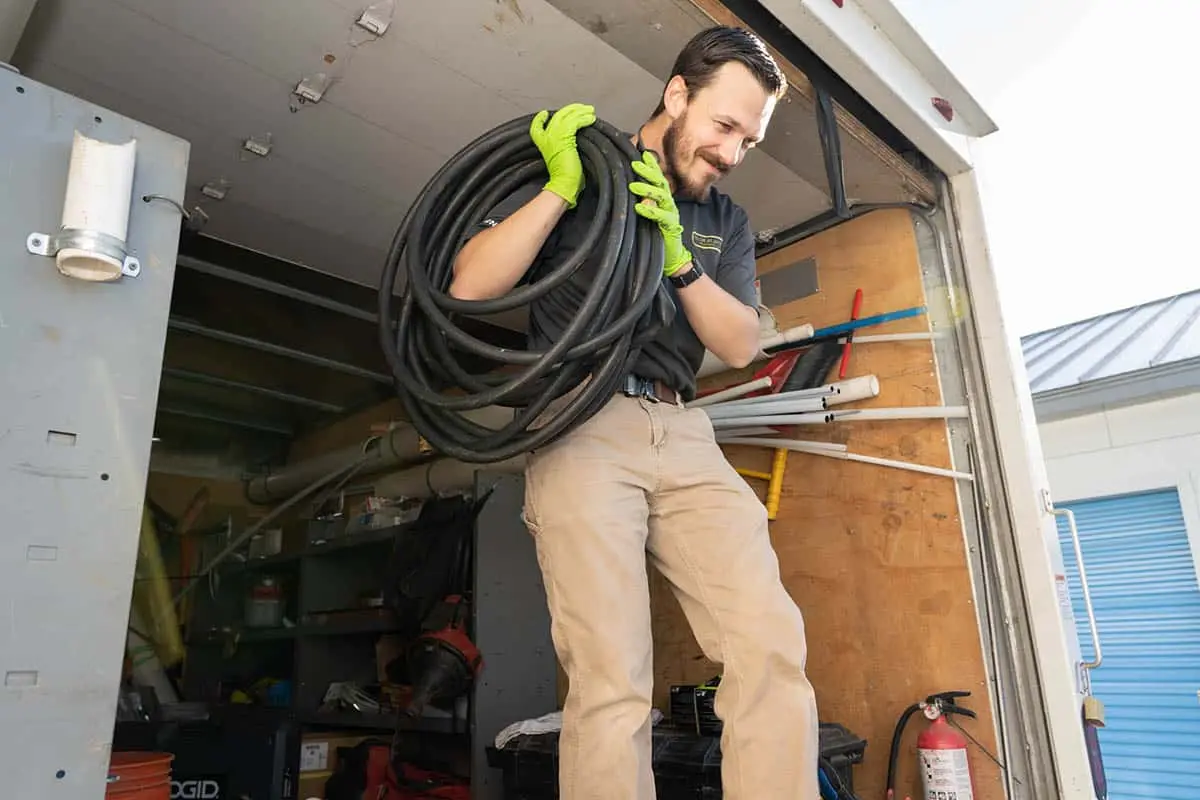
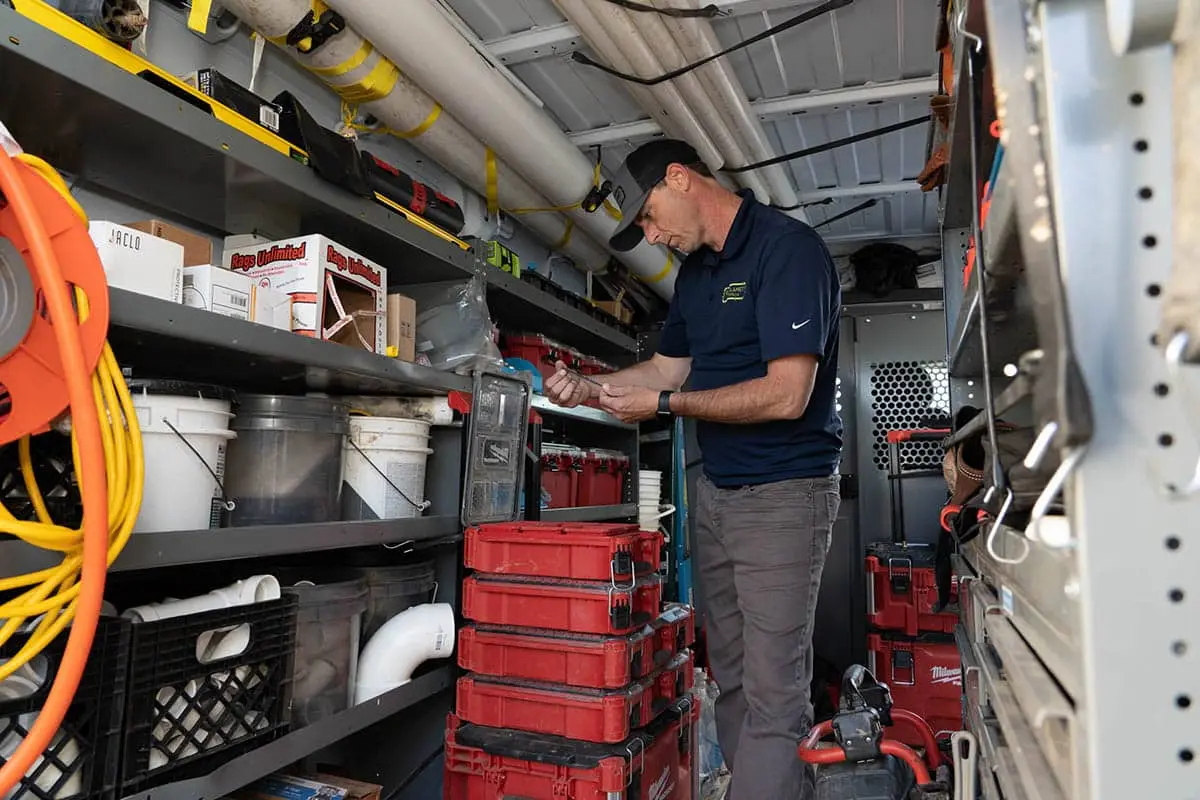
Technician grabbing hose from a stocked service truck

Gas and electric furnace service from one team

Furnace service means keeping the equipment that heats your home safe, efficient and ready for the first cold night. Blue Planet Plumbing and Air maintains, repairs and replaces furnaces across Asheville, Hendersonville, the surrounding Western North Carolina communities and the Upstate.

Gas furnaces, fueled by natural gas or propane, remain one of the most common and effective heating systems in WNC homes. When they are sized and installed correctly, a modern high-efficiency gas furnace delivers even heat at a low operating cost. Because they burn fuel, they also need the most careful safety checks: combustion, venting and the heat exchanger.

Electric furnaces use resistance heating elements instead of burners. They have no combustion and no flue, but they have their own failure points: elements that burn open, sequencers and relays that stop staging the elements on, and high-amperage connections that loosen and overheat. In many homes, an electric furnace is also a good candidate for a heat pump upgrade, which can cut heating costs sharply.

We diagnose and repair all furnace makes and models, and we stock common parts so most repairs can be finished the same day.
Heat exchangers, venting and carbon monoxide safety

Georg Efird checking stock inside a Blue Planet truck

A gas furnace's heat exchanger is the metal barrier that keeps combustion gases, including carbon monoxide, separate from the air you breathe. Years of heating and cooling cycles can crack it. A cracked heat exchanger can let combustion gases into the airstream, which is why we inspect it on every gas furnace tune-up and treat it as a critical safety item.

On every gas furnace visit we also:

  • Inspect the flue and venting for rust, separated joints, blockages and proper slope. Mountain homes with long vent runs through attics and crawlspaces are prone to disconnected sections.
  • Verify combustion air. A furnace closed into a small utility room or finished basement can starve for air and burn dirty.
  • Run a combustion analysis and carbon monoxide check so we are measuring, not eyeballing the flame.
  • Check gas valve operation and pressure to confirm the burners are getting the right fuel supply.

Every home with a gas furnace, gas water heater or attached garage should have working carbon monoxide alarms on each level and near sleeping areas. Test them when you change your clocks.

If you smell gas, leave the house first. Do not flip switches, start the car in the garage or use your phone inside. Once you are outside, call your gas company or 911. Call us after the gas utility has made the home safe.

What a furnace tune-up includes

Annual furnace maintenance before heating season is the single most effective way to avoid a breakdown on the coldest night of the year. Our technicians perform a full safety and performance inspection on every visit.

  • Heat exchanger inspection for cracks, a critical safety item.
  • Burner cleaning and combustion analysis for a clean, efficient flame.
  • Flue and venting inspection from the furnace to the outside.
  • Gas valve and pressure verification.
  • Igniter and flame sensor testing, the two parts most likely to stop a furnace from lighting.
  • Blower motor, belt and lubrication check where the motor design allows it.
  • Filter replacement if needed.
  • Thermostat calibration and safety control test, including limit switches and rollout switches.
  • Carbon monoxide check.

On electric furnaces, we test each heating element, the sequencers or relays that bring them on, and the high-voltage connections, then measure the temperature rise across the furnace.

Common furnace repairs we handle

When a furnace stops heating, the cause is usually one of a short list of parts. Testing the sequence of operation tells us which one.

  • Igniter and pilot light failure. Hot surface igniters crack with age; older standing-pilot furnaces lose their pilot or thermocouple.
  • Flame sensor cleaning and replacement. A dirty sensor makes the furnace light, run a few seconds and shut off, over and over.
  • Inducer motor and draft blower repair. The inducer clears the heat exchanger before ignition. A noisy or failed inducer, or a tripped pressure switch, stops the furnace before it lights.
  • Gas valve replacement when the valve will not open or does not regulate pressure correctly.
  • Control board and thermostat issues, including flashing fault codes we read and trace.
  • Heat exchanger evaluation and replacement when a crack is found and the furnace is worth keeping.
  • Limit switch and safety control faults, often caused by a clogged filter or blocked returns overheating the furnace.
  • Blower motor repair or replacement when the burners fire but no air moves.

We always give you an honest assessment of whether repair or replacement is the better use of your money, especially for systems approaching the end of their service life.

Furnace replacement and installation

When it is time for a new furnace, because your current one failed, is no longer efficient or does not keep up with your home, we handle the full replacement from equipment selection through commissioning.

We work with high-efficiency gas furnaces in single-stage and variable-speed configurations. We will walk you through AFUE efficiency ratings, operating costs and warranty coverage. A high-efficiency condensing furnace vents through plastic pipe and produces condensate that needs a drain, so we look at venting routes and drain options in your house before recommending one.

  • Load calculation to size the furnace for your home.
  • Multiple equipment options across efficiency and budget tiers.
  • Full removal and disposal of the existing furnace.
  • Installation to manufacturer specs and North Carolina code.
  • Vent and combustion air verification.
  • Complete commissioning and a homeowner walkthrough.
  • Payment plans through GreenSky, subject to credit approval.

Keeping your furnace and adding a heat pump

If your furnace is in good shape but your air conditioner is failing, you do not have to choose between the two. A dual-fuel system pairs a new heat pump with your existing gas furnace. The heat pump handles cooling and most of the heating season, and the furnace takes over on the coldest nights, which is a strong fit for higher-elevation homes.

Pair any furnace with a fall HVAC maintenance visit so the heat exchanger, venting and igniter are checked before you need them.

What our clients say

4.9

Average from 2,021 Google reviews

Read all reviews
“Patrick came on time to assess and communicate the issues, and had the know how and caring to contact the Manufacturer, who determined that we had a warranty, and that parts would be covered.”
Christine, Google review
“Anthony was very knowledgeable and efficient in identifying and fixing my HVAC issues. Would definitely recommend this company.”
Ken C., Google review
“I appreciate the courtesy call to let me know what time he would be at my home, and he was on time. Anthony was very helpful and knowledgeable with my concerns.”
Wendy, Google review

Frequently asked questions

I smell gas near my furnace. What should I do?

Get everyone out of the house right away, leaving doors open behind you. Do not turn lights or appliances on or off, light anything or use your phone inside. Once you are outside, call your gas company or 911. After the utility has made the home safe, call us to find and repair the source.

My carbon monoxide alarm went off. Is it the furnace?

It could be, but treat it as an emergency first. Get everyone outside into fresh air and call 911 or the fire department, especially if anyone has a headache, dizziness or nausea. Once responders clear the home, we can inspect the furnace, heat exchanger and venting along with other gas appliances.

Why does my furnace turn on and then shut off after a few seconds?

The most common cause is a dirty or failing flame sensor that cannot confirm the burners lit. A cracked igniter, a weak gas supply, a pressure switch problem or a blocked vent can cause similar behavior. A technician can read the board's fault code and test each step of the startup sequence.

Is a burning smell normal when I first turn on the heat?

A light dusty smell for the first few minutes of the season is common as dust burns off the heat exchanger or electric elements. A smell that lingers, smells like burning plastic or electrical insulation, or comes with smoke is not normal. Turn the system off at the thermostat and call.

What does it mean if my furnace has a cracked heat exchanger?

It means the barrier between combustion gases and your home's air is compromised, so the furnace should not be run until it is addressed. Depending on the furnace's age and warranty, the fix is either a heat exchanger replacement or a new furnace. We will show you what we found and price both paths.

Do you service electric furnaces as well as gas?

Yes. We repair and maintain electric furnaces, including heating elements, sequencers, relays, blower motors and controls. If your electric furnace is older, we can also price a heat pump that would use far less electricity to heat the same house.

How often should a furnace be serviced?

Once a year, ideally in early fall before heating season. Gas furnaces need the annual heat exchanger, combustion and venting checks for safety as much as efficiency. A maintenance plan can schedule the visit for you and adds priority scheduling and discounted repairs.

Should I repair or replace an older furnace?

Weigh the repair cost against the furnace's age, condition and efficiency. A failed igniter or flame sensor on a sound furnace is usually worth fixing; a cracked heat exchanger or repeated control failures on an older furnace often are not. We give you an honest assessment and options at upfront prices.

Get your heat checked before the cold sets in

Book a furnace tune-up or repair online, or call and we will send a technician.

Call now