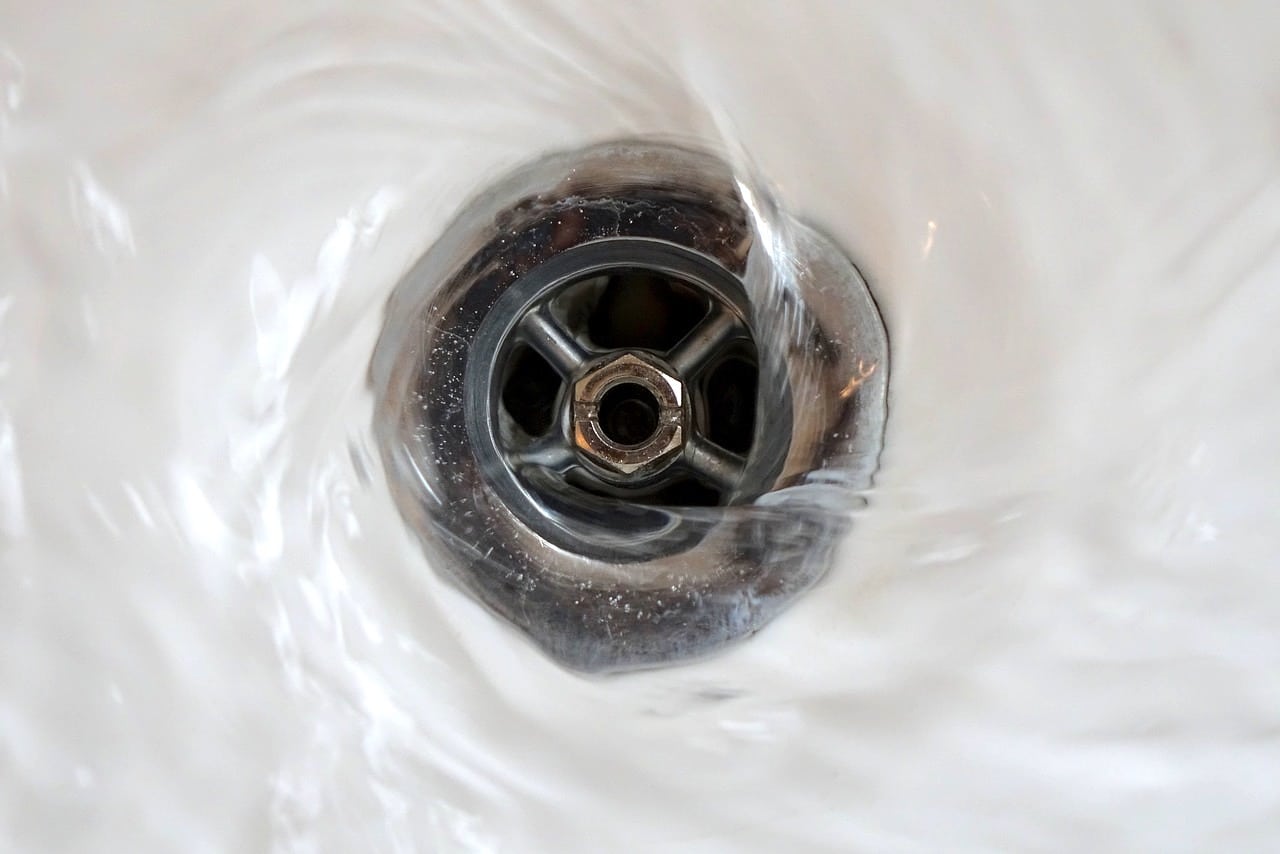
A slow drain rarely shows up at a convenient time. One day the kitchen sink takes a little longer to empty, and a few weeks later you’re standing in ankle-deep water during your morning shower. For homeowners in Asheville, NC, clogged drains are one of the most common plumbing headaches, and they often lead to repairs that could have been avoided with a few simple habits.
The good news is that most clogs build up slowly over time, which means you have plenty of opportunities to stop them before they become a problem. In this guide, we’ll walk through practical ways to prevent clogged drains in your kitchen, bathroom, and main sewer line, so you can protect your home and your budget.
Why Drain Prevention Matters More Than You Think
It’s easy to dismiss a slow drain as a minor annoyance. In reality, it’s often the first warning sign of a bigger issue forming inside your pipes. Grease, hair, soap scum, and food particles cling to pipe walls and gradually narrow the passage until water can barely get through.
When a clog fully forms, the consequences go beyond inconvenience. Standing water can breed bacteria and odors. Pressure from blockages can stress pipe joints and lead to leaks. In severe cases, a backed-up sewer line can send wastewater into your home, creating a costly and unpleasant cleanup.
That’s why prevention, paired with professional drain cleaning services in Asheville when buildup gets ahead of you, is the most affordable approach to drain care. Catching problems early almost always costs less than repairing the damage a full blockage leaves behind.
Preventing Clogs in the Kitchen
The kitchen sink handles more abuse than almost any drain in your home. Between cooking grease, food scraps, and coffee grounds, it’s no surprise that kitchen clogs top the list of service calls.
Keep Grease Out of the Drain
Grease is the number one enemy of kitchen plumbing. It goes down as a liquid, then cools and hardens inside your pipes, trapping food particles and building up layer by layer. Instead of pouring it down the sink, let grease cool in a can or jar, then toss it in the trash.
Watch What Goes in the Garbage Disposal
A disposal is helpful, but it isn’t a trash can. Avoid putting these items down the drain, even with a disposal:
- Coffee grounds, which clump together and settle in pipes
- Eggshells, which create gritty sediment
- Pasta, rice, and bread, which swell with water
- Fibrous vegetables like celery and corn husks, which tangle around disposal blades
Running cold water for 15 to 20 seconds after using the disposal also helps flush remaining particles through the line.
Preventing Clogs in the Bathroom
Bathroom drains face a different set of challenges. Hair and soap scum are the main culprits here, and they work together. Soap residue coats the pipe walls, and hair sticks to it, forming a dense mat that water struggles to pass through.
A few easy habits make a big difference:
- Use a drain screen or hair catcher in showers and tubs, and empty it after each use
- Brush your hair before showering to reduce loose strands
- Switch to liquid soap or low-residue body wash, since bar soaps leave more scum behind
- Flush bathroom sink drains with hot water once a week to loosen buildup
One more important rule: the toilet is only for waste and toilet paper. Wipes, even the ones labeled “flushable,” cotton products, and paper towels do not break down properly and are a leading cause of serious blockages in Asheville homes.
Don’t Forget Your Sewer Line
Your main sewer line carries everything from every drain in the house, so a clog here affects your entire plumbing system. Homes in the Asheville area, especially older ones in established neighborhoods with mature trees, are particularly vulnerable to root intrusion. Tree roots naturally seek out moisture and can work their way into small cracks in aging sewer pipes.
Warning signs of a developing sewer line issue include:
- Multiple drains backing up at the same time
- Gurgling sounds from toilets or floor drains
- Sewage odors in the yard or basement
- Unusually lush patches of grass above the sewer line
If you notice any of these, don’t wait. A camera inspection can pinpoint the problem before it turns into a full backup or a collapsed pipe. Regular inspections are one of the smartest ways to prevent plumbing emergencies throughout your home, not just in the sewer line.
Monthly Maintenance Habits That Pay Off
Beyond daily habits, a simple monthly routine keeps your drains flowing freely. Set a reminder to do the following:
- Flush each drain with a kettle of hot (not boiling) water to melt away early grease and soap buildup
- Pour a half cup of baking soda followed by a half cup of white vinegar down slow drains, let it fizz for 15 minutes, then rinse with hot water
- Clean pop-up stoppers in bathroom sinks, where hair and gunk collect out of sight
- Check under sinks for slow leaks or moisture that could signal a developing problem
One thing to avoid: chemical drain cleaners. These caustic products can corrode pipes over time, harm your septic system, and introduce harsh chemicals into the local watershed. Gentle, consistent maintenance protects both your plumbing and the environment.
If a drain stays slow despite your best efforts, that’s a sign the buildup is deeper in the line than home methods can reach. Professional cleaning restores full flow safely, and it’s worth understanding how drain cleaning works before a blockage forces the decision for you.
When Prevention Isn’t Enough
Even the most diligent homeowners run into clogs eventually. Pipes age, roots grow, and some buildup simply happens over years of normal use. The key is knowing when to stop reaching for the plunger and call a professional.
Call a licensed plumber if you notice recurring clogs in the same drain, water backing up in unexpected places, or drains that stay slow no matter what you try. These symptoms usually point to a deeper issue that needs professional equipment, like a drain auger or hydro jetting, to resolve properly. Attempting aggressive DIY fixes on a stubborn clog can damage pipes and turn a service call into a major repair.
Keep Your Drains Clear with Asheville’s Green Plumbing Experts
Preventing clogged drains starts with good habits, but it doesn’t end there. Regular professional inspections and eco-friendly drain cleaning catch the buildup you can’t see, protecting your home from backups, water damage, and expensive repairs.
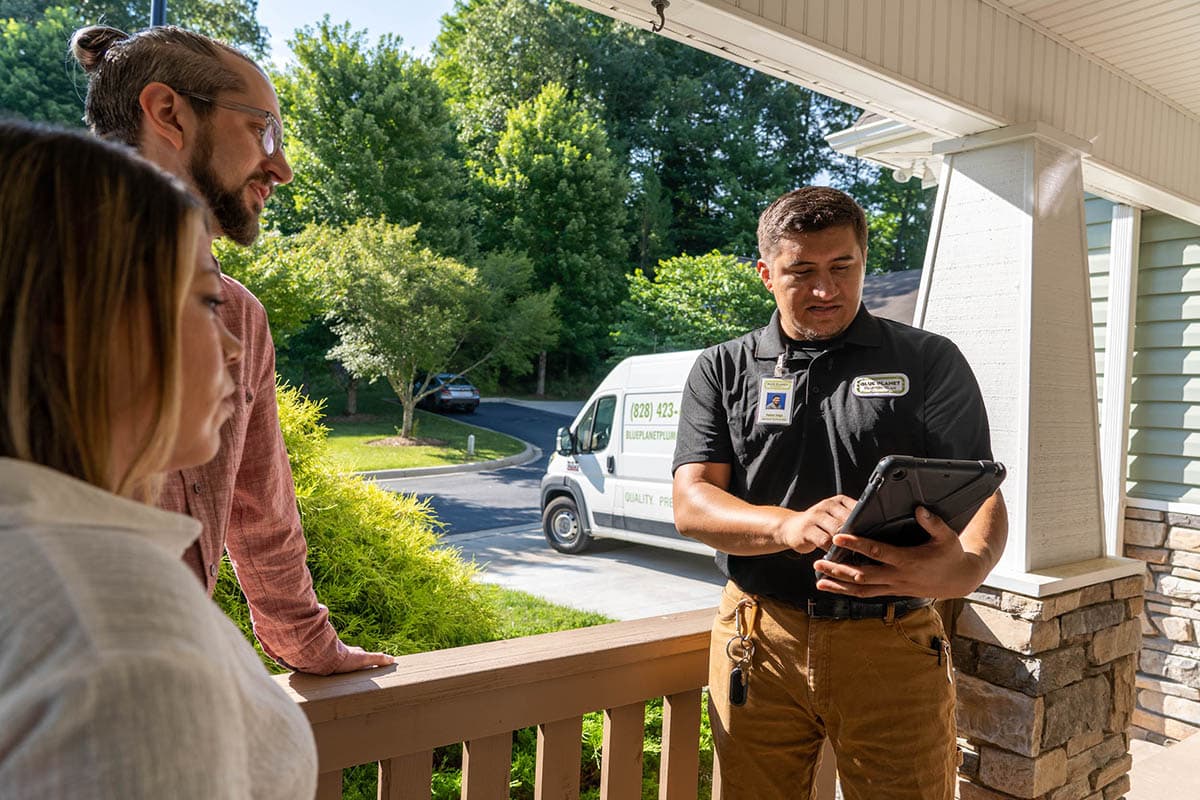
Blue Planet Plumbing has served Asheville and the surrounding Buncombe and Henderson County communities since 2003 with a sustainable, no-surprises approach to plumbing. Our licensed technicians use environmentally responsible methods to clear your drains and keep them that way, and every service call includes a complimentary home plumbing safety inspection.
Call Blue Planet Plumbing today at (828) 423-6289 to schedule your drain cleaning or inspection and experience the ultimate plumbing experience for yourself.
Schedule Your Appointment Online
We make it easy. Just click the button and follow the steps!
Frequently Asked Questions
Many established neighborhoods in Asheville have homes with original galvanized or cast iron pipes. These materials corrode and roughen with age, giving grease, hair, and debris more surface to cling to. Older sewer lines are also more prone to root intrusion from the mature trees common throughout the area.
Water in the Asheville area is relatively soft compared to many regions, which helps limit mineral scale inside pipes. However, soap scum, grease, and hair remain just as problematic here as anywhere else, so regular maintenance is still essential.
For most households, a professional drain cleaning every 18 to 24 months keeps lines clear. Homes with large families, older plumbing, or a history of clogs may benefit from annual service paired with a camera inspection.
No. Many properties in Buncombe and Henderson Counties rely on septic systems, and chemical cleaners can kill the beneficial bacteria those systems need to function. Stick with enzymatic cleaners or mechanical methods, or call a professional for stubborn clogs.
Yes. Roots enter through tiny cracks or loose joints in the pipe, then expand as they grow. Left alone, they can completely block or even crush the line. Early detection through a camera inspection allows for far less invasive and less expensive solutions.